Commercial Lease Terms Every Landlord and Tenant Should Know Before Signing
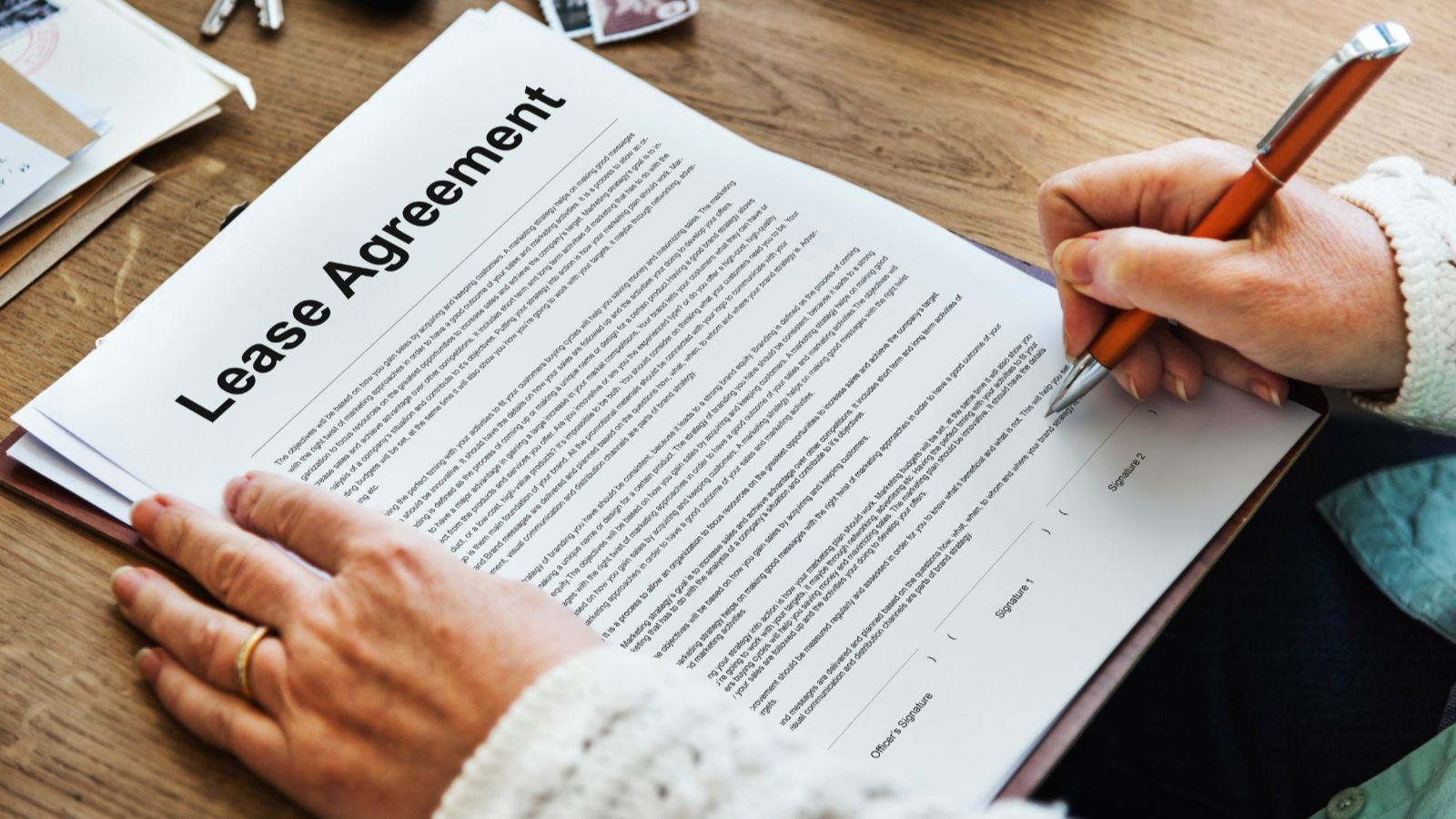
A commercial lease is more than a monthly rent agreement. It sets the rules for how a business operates in a space, how costs are shared, and what happens when circumstances change. Whether you are a landlord or a tenant, understanding key commercial lease terms before signing can prevent misunderstandings, protect your investment, and avoid costly disputes down the road.
Lease Structure and Rent Type
One of the first things to understand is the lease structure. Commercial leases commonly fall into three categories: gross leases, net leases, and modified gross leases. In a gross lease, the tenant pays a flat rent while the landlord covers most operating expenses. Net leases shift some or all of those expenses, such as property taxes, insurance, and maintenance, to the tenant. Modified gross leases fall somewhere in between.
Knowing exactly which costs are included in rent and which are not is essential for accurate budgeting on both sides.
Lease Term and Renewal Options
The lease term defines how long the tenant commits to the space. Commercial leases often range from three to ten years, sometimes longer. Tenants should look closely at renewal options, which can provide the right to extend the lease at a predetermined rate or market value.
For landlords, renewal terms help stabilize income. For tenants, they offer security and flexibility, especially if the business is growing or heavily invested in the location.
Read more: Commercial Lease Renewal Clauses: What Tenants Should Know
Use Clause and Exclusivity
The use clause specifies how the tenant may use the property. This is particularly important in retail and mixed-use spaces. A narrow use clause can limit business expansion, while a broader one offers flexibility.
Exclusivity clauses, when included, prevent landlords from leasing nearby space to direct competitors. Tenants benefit from reduced competition, while landlords must balance exclusivity with future leasing opportunities.
Maintenance, Repairs, and Improvements
Commercial leases clearly outline who is responsible for maintenance and repairs. Structural components like the roof or foundation are often the landlord’s responsibility, while tenants may handle interior maintenance.
Tenant improvements are another key area. Some landlords offer improvement allowances, while others require tenants to fund build-outs themselves. Understanding who owns these improvements at lease end can prevent disputes later.
Discover: What to Do If Your Landlord Won’t Make Repairs in a Commercial Property
Assignment, Subleasing, and Exit Options
Businesses change, and leases should account for that reality. Assignment and subleasing clauses determine whether a tenant can transfer the lease or rent out the space to another party. Landlords often require approval, but reasonable flexibility can benefit both sides.
Exit options, such as early termination rights or buyout clauses, provide additional protection if circumstances shift unexpectedly.
Final Thoughts
A commercial lease shapes the relationship between landlord and tenant for years to come. Taking the time to understand key terms before signing creates clarity, reduces risk, and builds a stronger foundation for a successful tenancy. With careful review and professional guidance, both parties can enter the agreement with confidence and realistic expectations.
For legal help in California and your other needs, contact BERYS LAW on this page. We also offer courses on real estate investing, landlording, and templates right here!
Stay connected with news and updates!
Join our mailing list to receive the latest news and updates from our team.
Don't worry, your information will not be shared.