How to Ensure Your Rental Meets Safety and Building Code Standards
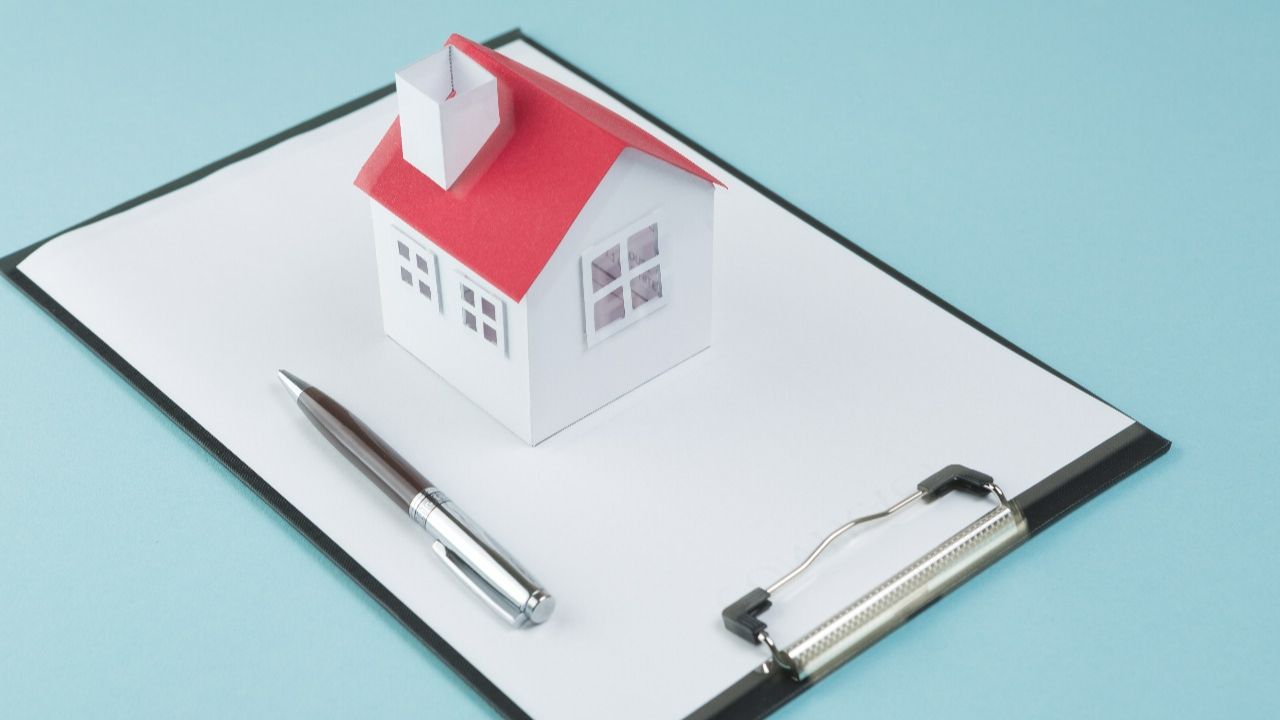
Renting out a property isn’t just about keeping it occupied and profitable—it’s about keeping it safe. Tenants trust that the home they’re living in meets building codes, fire regulations, and basic safety standards. If something goes wrong, you’re the one on the hook legally and financially. The good news? Staying compliant is easier than it sounds when you know what to look for and stay consistent with maintenance.
Here’s how to make sure your rental property checks all the right boxes.
1. Start With a Full Property Inspection
Before welcoming tenants, get a detailed inspection. You can do this yourself if you’re knowledgeable, but hiring a licensed inspector gives you a clearer picture and helps you catch issues you might overlook. They’ll review structural integrity, electrical systems, plumbing, roofing, ventilation, and more. Think of it as your baseline: once you know what needs attention, you can start making fixes.
2. Know the Local Building Codes
Every city has its own set of building codes, and they can change over time. These rules cover things like minimum room sizes, emergency exits, staircase requirements, and regulated installations such as water heaters and electrical panels. Look up your local housing or building department’s guidelines so you understand exactly what’s required. Staying informed helps you avoid costly violations later.
3. Prioritize Fire Safety
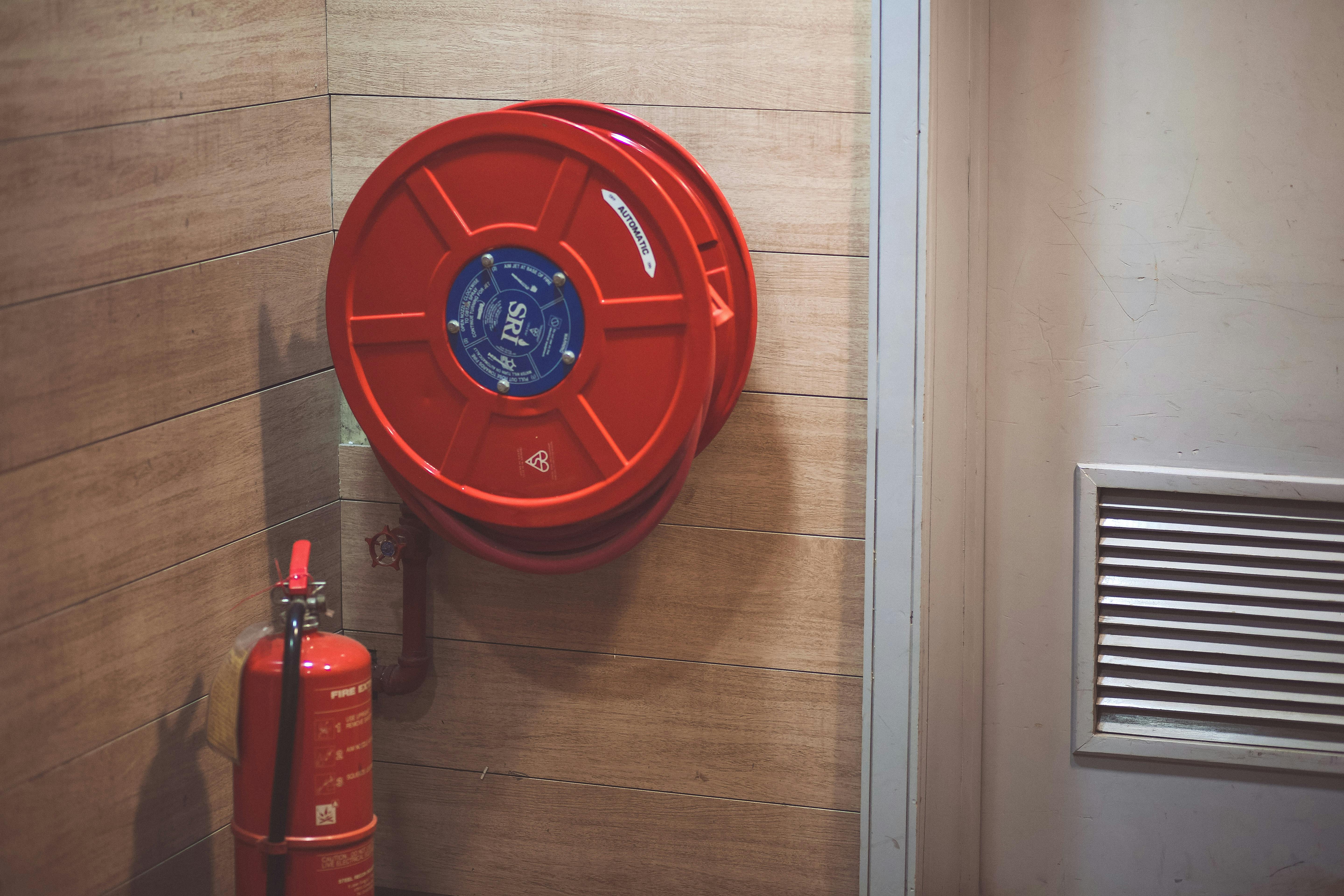
Fire hazards are one of the biggest concerns in rental housing. Make sure your property has working smoke alarms in all required areas—typically bedrooms, hallways, and common spaces. Carbon monoxide detectors may also be mandatory, especially if you have fuel-burning appliances. Fire extinguishers should be accessible, and escape routes must be clear. If your rental is in a multi-unit building, double-check that communal areas also meet standards.
4. Check Electrical and Plumbing Systems Regularly
Faulty wiring and leaking pipes aren’t just annoying—they’re dangerous. Hire licensed professionals to handle electrical or plumbing repairs. Ensure outlets are grounded, breakers are labeled, and there are no exposed wires. For plumbing, look for leaks, slow drains, or water pressure issues that could signal bigger problems. Regular tune-ups prevent emergencies and help keep your rental code-compliant.
5. Keep the Property Structurally Sound

Loose handrails, cracked flooring, unstable balconies, and damaged stairs can cause accidents—and liability claims. Do routine walkthroughs to make sure everything is secure. If you own an older home, you may need to address foundation issues or bring older materials up to modern standards.
6. Maintain Safe Outdoor Areas
If your rental includes a yard, driveway, or shared outdoor space, keep it well-lit and hazard-free. Fix uneven pathways, trim overgrown trees, and ensure gates and fences are sturdy. Good lighting not only improves safety but also deters crime.
7. Document Everything
Keep records of inspections, repairs, upgrades, and tenant communications. If a dispute or claim ever arises, you’ll want a clear paper trail showing that you’ve met your responsibilities as a landlord.
Final Thoughts
Staying compliant isn’t just about avoiding penalties—it’s about protecting your tenants and your investment. When your rental meets safety and building code standards, you build trust, reduce risk, and create a home where people feel genuinely safe.
Discover more rental related articles below:
- Common Causes of Tenant Injuries — and How Landlords Can Prevent Them
- How to Stay Compliant With State Rental Laws (Without the Headache)
- When Is a Landlord Liable for a Tenant’s Injury?
- Who Is Responsible for Repairs in a Rental Property?
For legal help in California and your other needs, contact BERYS LAW on this page. We also offer courses on real estate investing, landlording, and templates right here!
Stay connected with news and updates!
Join our mailing list to receive the latest news and updates from our team.
Don't worry, your information will not be shared.