Resolving Repair Disputes With Your HOA
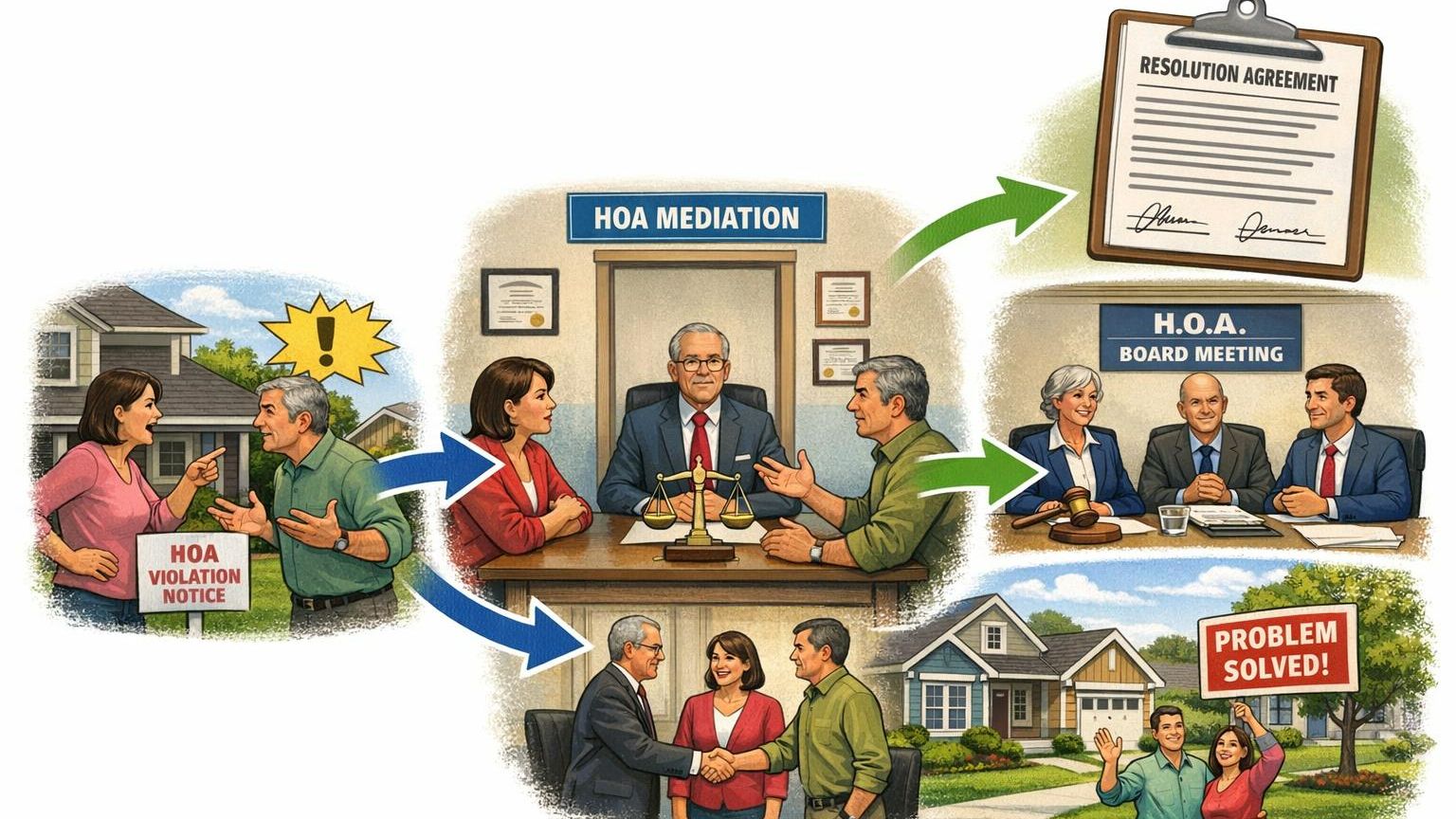
Homeowners associations can make neighborhood life more organized and predictable. But when it comes to repairs, things can get complicated fast. Whether it’s a roof leak, plumbing issue, cracked exterior wall, or damaged fence, disputes often arise over one simple question: who is responsible? If you’re facing a repair conflict with your HOA, the key is to approach it calmly, informed, and prepared.
Start With the Governing Documents
Your first step is reviewing your HOA’s governing documents. These usually include the Covenants, Conditions, and Restrictions (CC&Rs), bylaws, and any rules or maintenance guidelines. These documents outline what the association maintains and what falls on individual homeowners.
For example, in many condominium communities, the HOA is responsible for common areas and structural components like roofs and exterior walls. In single-family home communities, the lines can be less clear, especially with shared fences, landscaping, or drainage systems. Don’t rely on verbal explanations alone. Go directly to the written language. The answer is almost always there.
Document Everything
If a repair issue arises, document it thoroughly. Take photos, record dates, keep copies of emails, and note any conversations with board members or property managers. If the issue is causing damage inside your home, keep receipts for temporary repairs or mitigation efforts. Clear documentation strengthens your position and helps avoid “he said, she said” situations.
Communicate in Writing
When raising a repair concern, submit your request in writing. Be specific about the problem, reference the relevant section of the governing documents if possible, and request a clear response within a reasonable timeframe.
If the HOA denies responsibility, ask for a written explanation citing the exact provision they are relying on. This often reveals whether the board has properly interpreted its own rules. Keep your tone professional. Emotional messages rarely help resolve structural issues.
Request a Hearing
Most associations are required to provide a formal dispute process. Under laws in many states, including statutes like the Davis-Stirling Common Interest Development Act in California, homeowners have the right to request an internal dispute resolution meeting.
A hearing gives you the opportunity to present your documentation and explain your position directly to the board. Prepare your points clearly and bring copies of supporting materials.
Consider Mediation
If informal discussions don’t work, mediation is often the next step. Many states encourage or require alternative dispute resolution before filing a lawsuit. Mediation is typically less expensive and faster than court, and it allows both sides to negotiate a practical solution. An experienced HOA attorney can advise you on whether mediation is appropriate and help you evaluate the strength of your case.
Know When to Escalate
Litigation should generally be the last resort. Lawsuits can be costly and time-consuming. However, if the repair issue involves significant structural damage, safety concerns, or substantial financial loss, legal action may become necessary. Before filing suit, carefully weigh the financial and relational costs. Remember, you will likely continue living in this community. Preserving a workable relationship with the HOA often matters in the long run.
Read more: Tips for Developing an Effective HOA Dispute Resolution Process
Prevent Future Conflicts
One of the best ways to avoid repair disputes is proactive involvement. Attend HOA meetings. Review budgets and reserve studies. Understand how maintenance responsibilities are handled. When homeowners stay informed, misunderstandings are less likely.
Final Thoughts
Repair disputes with an HOA can feel frustrating, especially when the issue affects your home directly. But most conflicts can be resolved through careful review of the governing documents, clear communication, and structured dispute processes. Approach the situation like a business negotiation rather than a personal battle. Stay organized, stay calm, and rely on the written rules. In most cases, clarity and persistence go a long way toward reaching a fair resolution.
For legal help in California and your other needs, contact BERYS LAW on this page. We also offer courses on real estate investing, landlording, and templates right here!
Stay connected with news and updates!
Join our mailing list to receive the latest news and updates from our team.
Don't worry, your information will not be shared.