Understanding Tenant and Landlord Rights in Commercial Lease Workouts
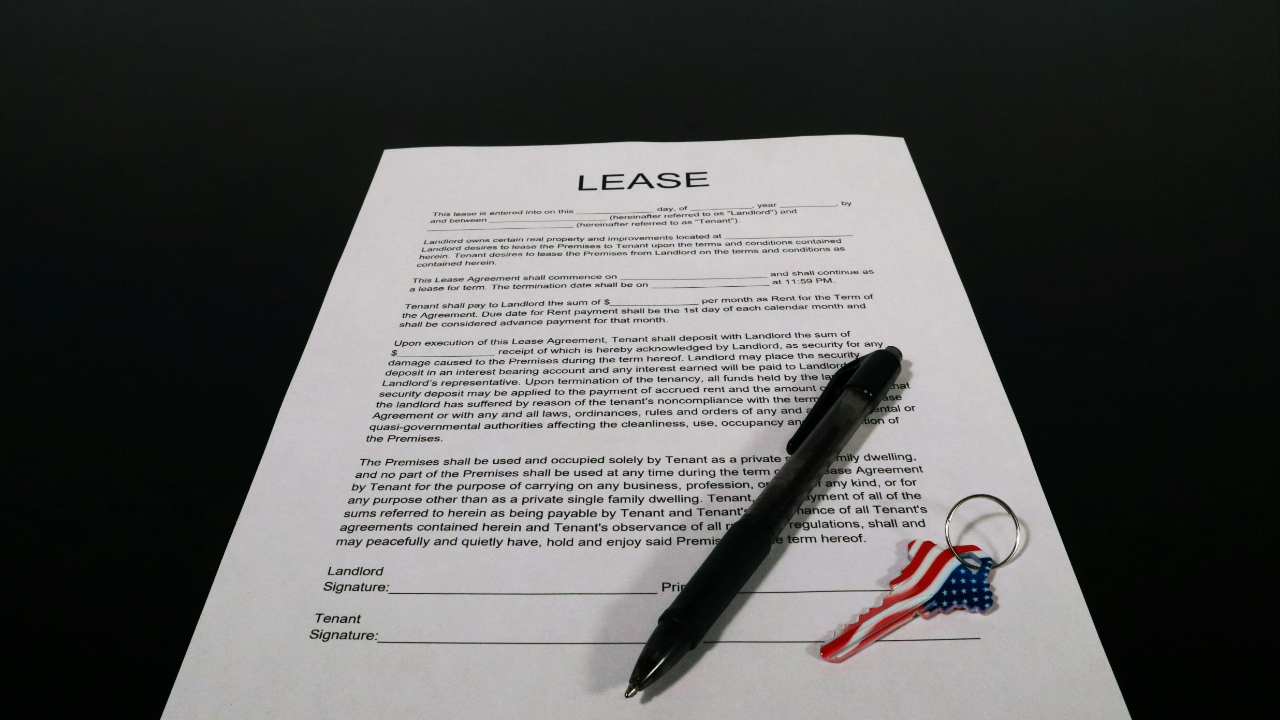
When economic conditions shift or a business experiences financial strain, commercial tenants may struggle to meet their lease obligations. In these situations, a commercial lease workout can provide a path forward for both tenants and landlords. A workout is essentially a negotiated restructuring of lease terms that helps the tenant stay in business while allowing the landlord to preserve occupancy and income. Understanding the rights and responsibilities of each party during this process is key to reaching a fair and workable solution.
What Is a Commercial Lease Workout?
A commercial lease workout is a renegotiation of the existing lease agreement when a tenant cannot meet its current terms. Rather than immediately pursuing eviction or legal action, the landlord and tenant attempt to adjust the lease so the tenant can continue operating.
Common workout arrangements may include temporary rent reductions, deferred rent payments, extended lease terms, or changes to payment schedules. In some cases, the landlord may allow the tenant to sublease part of the space or restructure the lease to reflect current market conditions. The goal is to avoid costly vacancies and litigation while giving the tenant time to stabilize financially.
Tenant Rights in a Lease Workout
Tenants facing financial challenges still retain important rights under their lease and local commercial property laws. First, tenants generally have the right to request negotiations with their landlord. While a landlord is not obligated to accept a modification, many are willing to discuss options because keeping a tenant is often more practical than finding a new one.
Tenants also have the right to review their lease agreement carefully. Many commercial leases contain clauses addressing hardship, rent adjustments, or early termination options. Understanding these provisions can strengthen a tenant’s position during negotiations.
Another key tenant right is the ability to seek professional advice. Commercial tenants can consult attorneys, financial advisors, or real estate professionals to review the lease and help structure a workout proposal that is realistic and legally sound.
Read more: Commercial Lease Renewal Clauses: What Tenants Should Know
Landlord Rights in a Lease Workout
Landlords also maintain clear rights during the workout process. Most importantly, they are not required to modify the lease unless the contract specifically provides such provisions. If negotiations fail, landlords typically retain the right to enforce the lease terms through remedies such as eviction, collection actions, or claims for unpaid rent.
Landlords may also request financial documentation from the tenant during negotiations. This might include profit and loss statements, revenue projections, or other evidence demonstrating why a lease adjustment is necessary. Reviewing this information helps landlords evaluate whether a workout is likely to succeed.
Additionally, landlords often require certain protections before agreeing to modifications. These may include personal guarantees, security deposits, shorter review periods, or step-up rent structures that gradually return payments to the original amount.
Why Cooperation Often Works Best
Although both parties have legal rights they can enforce, cooperative negotiations often produce better outcomes. Litigation and vacancy can be expensive for landlords, while eviction can permanently disrupt a tenant’s business. A well-structured workout allows both sides to share risk and potentially recover stronger in the long run.
Successful lease workouts usually involve honest communication, transparent financial information, and clearly documented agreements. Both parties should ensure that any modifications are formally written and signed to prevent future misunderstandings.
Final Thoughts
Commercial lease workouts are practical tools for navigating financial stress in commercial real estate. By understanding their rights and responsibilities, tenants and landlords can approach negotiations with realistic expectations. When handled thoughtfully, a lease workout can protect business relationships, reduce financial losses, and create a path toward long-term stability for both sides.
For legal help in California and your other needs, contact BERYS LAW on this page. We also offer courses on real estate investing, landlording, and templates right here!
Stay connected with news and updates!
Join our mailing list to receive the latest news and updates from our team.
Don't worry, your information will not be shared.