Why You Need Legal Guidance in Commercial Real Estate Development
Commercial real estate development is one of the most lucrative yet complex areas of business. Whether you’re planning to build an office tower, shopping center, or mixed-use facility, the path from idea to completion involves a labyrinth of contracts, regulations, financing arrangements, and negotiations. While developers often focus on design, location, and profitability, overlooking the legal side can put an entire project at risk. This is why having proper legal guidance is not just an option—it’s a necessity.
Navigating Zoning and Land Use Laws
One of the earliest hurdles in any real estate development is ensuring the land is suitable for your intended use. Zoning ordinances, building codes, and land use restrictions vary significantly by city or municipality. Without a lawyer’s guidance, developers may unknowingly violate these rules, leading to costly delays or even lawsuits. Legal experts help evaluate the site, identify restrictions, and, when necessary, assist in obtaining ...
Commercial Tenant Evictions: What Landlords Need to Know
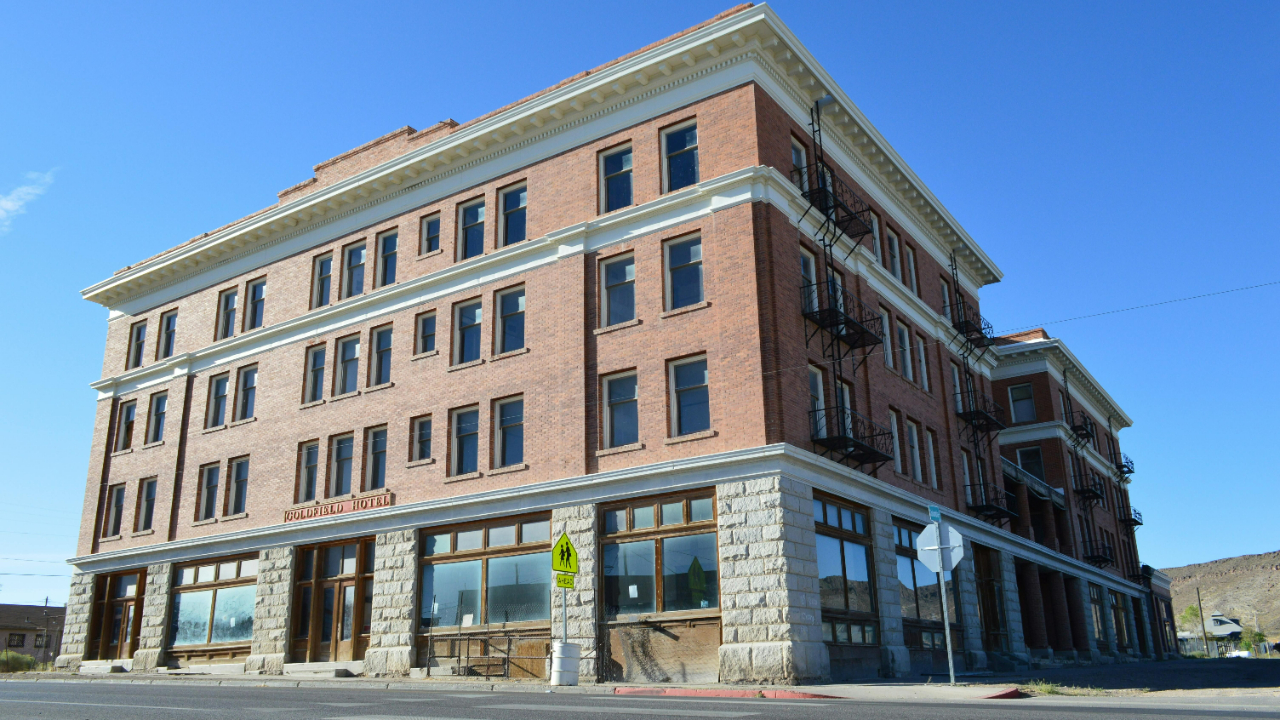
Managing commercial property comes with its own set of challenges, and one of the most difficult situations landlords face is dealing with tenant evictions. Unlike residential leases, commercial tenant evictions involve unique legal considerations, contractual obligations, and financial implications. Whether you’re an experienced landlord or new to commercial property ownership, understanding the eviction process is essential to protect your investment while minimizing risks.
Grounds for Commercial Tenant Eviction
Eviction is typically the last resort when a commercial tenant breaches their lease agreement. Common grounds include nonpayment of rent, consistent late payments, unauthorized use of the property, violation of lease terms, or abandonment of the premises. Some landlords also pursue eviction if the tenant’s activities harm the property’s value, reputation, or safety. However, unlike residential leases where tenant protections are stronger, commercial leases rely heavily on t...
Legal Due Diligence Checklist for Buying Commercial Property
Purchasing commercial real estate is a significant investment that carries both opportunity and risk. To protect yourself from unexpected legal issues and financial pitfalls, conducting thorough legal due diligence is essential. This process helps verify that the property is legally sound, properly zoned, and free of encumbrances that could hinder its intended use or value. Here’s a practical legal due diligence checklist to guide you through a smart and secure purchase.
1. Title and Ownership Verification
Start by confirming the seller’s legal ownership of the property. Request and review the property’s title deed and ensure it’s free from disputes. Engage a title company or real estate attorney to conduct a title search to uncover:
- Liens or mortgages
- Easements or rights of way
- Restrictive covenants
- Pending litigation
Clear title is crucial to transfer ownership without future legal challenges.
2. Zoning and Land Use Compliance
Zoning regulations determine how a property ...
The Legal Role of Escrow in Commercial Real Estate Transactions

In commercial real estate transactions, the stakes are high and the details complex. From due diligence and financing to closing and title transfer, every step must be carefully managed. One crucial mechanism that ensures security and fairness during the process is escrow. Although often misunderstood, escrow plays a vital legal role in protecting both buyers and sellers, ensuring compliance, and facilitating a smooth transaction.
What Is Escrow?
Escrow refers to a neutral third-party service that temporarily holds funds, documents, and instructions on behalf of the transacting parties until all contractual obligations are fulfilled. The escrow agent—usually a title company, attorney, or specialized escrow firm—acts impartially to oversee and execute the conditions of the agreement. Once all requirements are met, the escrow is “closed,” and the funds and property are exchanged accordingly.
In the context of commercial real estate, where transactions involve significant financial inv...
Title Matters: How to Ensure a Clean Transfer in Commercial Real Estate

When it comes to commercial real estate, there’s more to a transaction than the price tag or the square footage. One of the most critical yet often overlooked components of a successful deal is the property title. Ensuring a clean title transfer is essential not only for legal ownership but also for protecting your investment from costly future disputes. Whether you're a buyer, seller, or broker, understanding the title process is key to a smooth and secure transaction.
What is a Title in Commercial Real Estate?
In real estate, a title refers to the legal right to own, use, and transfer a property. A “clean title” means the property is free from liens, disputes, unpaid taxes, or legal encumbrances. In commercial transactions, where large sums and complex legal structures are often involved, ensuring a clean title is even more important than in residential deals.
The Importance of Title Due Diligence
Due diligence is the backbone of any commercial real estate transaction. It involve...
Legal Steps to Take When a Commercial Tenant Damages Your Property

Property damage caused by a commercial tenant can lead to significant financial and legal challenges for landlords. Whether it’s structural damage, unauthorized alterations, or neglected maintenance, such incidents not only affect the property’s value but can also hinder its future use or leasing potential. It’s essential for landlords to understand the legal steps they should take to protect their investment and seek appropriate remedies.
1. Review the Lease Agreement
The first step is to carefully review the lease agreement. Most commercial leases contain specific clauses that outline tenant responsibilities related to property care, maintenance, alterations, and damage. These clauses typically require the tenant to return the property in its original condition (reasonable wear and tear excepted) and may include provisions for inspections, security deposits, or required repairs.
Understanding the terms of the lease will help determine whether the damage constitutes a breach and wh...
Nuisance Claims and Neighbor Disputes in Commercial Real Estate

Commercial real estate often brings together various stakeholders—property owners, tenants, developers, and neighboring businesses. While these relationships can be mutually beneficial, conflicts may arise, particularly in the form of nuisance claims and neighbor disputes. These disputes can affect the value, usability, and profitability of commercial properties, making it essential for stakeholders to understand their legal and practical implications.
What Is a Nuisance Claim?
In the context of commercial real estate, a nuisance claim typically involves an allegation that a property owner or occupant is interfering with the use and enjoyment of a neighboring property. This interference can be public—impacting a larger community—or private, affecting specific neighbors. Common sources of nuisance complaints include excessive noise, odors, vibrations, pollution, lighting, or obstructive signage. In commercial settings, issues may stem from restaurant exhaust systems, manufacturing noi...
Understanding CAM (Common Area Maintenance) Charges in Commercial Leases

When leasing commercial property, tenants often encounter Common Area Maintenance (CAM) charges. These charges cover the costs of maintaining shared spaces within a property, such as lobbies, hallways, parking lots, and landscaping. Understanding CAM charges is crucial for tenants and landlords alike to ensure transparency and fair allocation of expenses. This article explores the key aspects of CAM charges and their implications in commercial leases.
What Are CAM Charges?
CAM charges are additional costs paid by tenants in a commercial lease to cover the maintenance, repair, and upkeep of common areas shared by multiple tenants. These expenses ensure that the property remains functional, clean, and presentable. CAM charges typically include expenses for landscaping, security, property management fees, janitorial services, parking lot maintenance, snow removal, and utility costs for shared spaces.
Types of CAM Charges
CAM charges are generally classified into two types:
- Fixed CA...
How to Negotiate a Favorable Commercial Lease: Key Terms to Look For

Negotiating a commercial lease is a critical step for any business, as it directly impacts operational costs, flexibility, and long-term success. Whether you are leasing office space, retail premises, or industrial property, understanding key lease terms and how to negotiate them effectively can make a significant difference. Here’s what you need to know to secure a favorable commercial lease agreement.
1. Lease Term and Renewal Options
One of the most important factors in a commercial lease is the lease term. Consider whether a short-term lease (e.g., 1-3 years) or a long-term lease (5-10 years) best suits your business needs. Shorter leases offer flexibility, while longer leases may come with lower rental rates. Also, ensure the lease includes renewal options that allow you to extend the term under pre-agreed conditions.
2. Rent and Rent Escalation Clauses

Understanding the rental structure is crucial. Look for clauses detailing base rent, additional costs, and rent escalation....
What to Do If Your Landlord Won’t Make Repairs in a Commercial Property

Leasing a commercial property comes with responsibilities for both tenants and landlords. One of the landlord’s key obligations is to maintain the property and ensure it remains in a safe and functional condition. However, there are instances where landlords fail to make necessary repairs, causing inconvenience and potential financial loss to tenants. If you find yourself in this situation, here are the steps you can take to address the issue effectively.
1. Review Your Lease Agreement
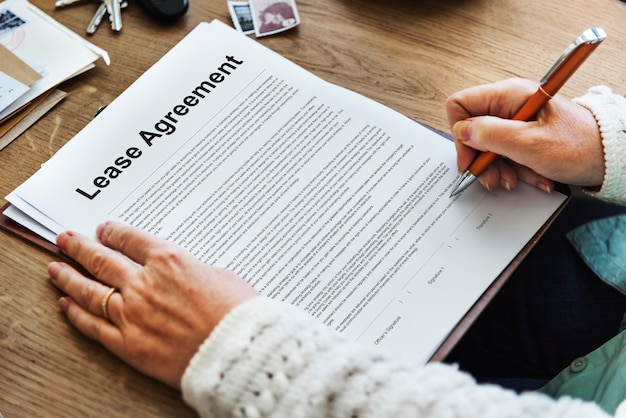
The first step in resolving any repair dispute is to review your lease agreement carefully. The lease should outline the landlord’s obligations regarding maintenance and repairs, as well as the tenant’s responsibilities. Understanding these terms will help you determine whether the landlord is in breach of contract.
2. Notify the Landlord in Writing
If you identify a necessary repair, inform your landlord in writing as soon as possible. Clearly describe the issue, its impact on your business, and r...