Fire Safety Regulations in San Diego: What Property Owners Must Know
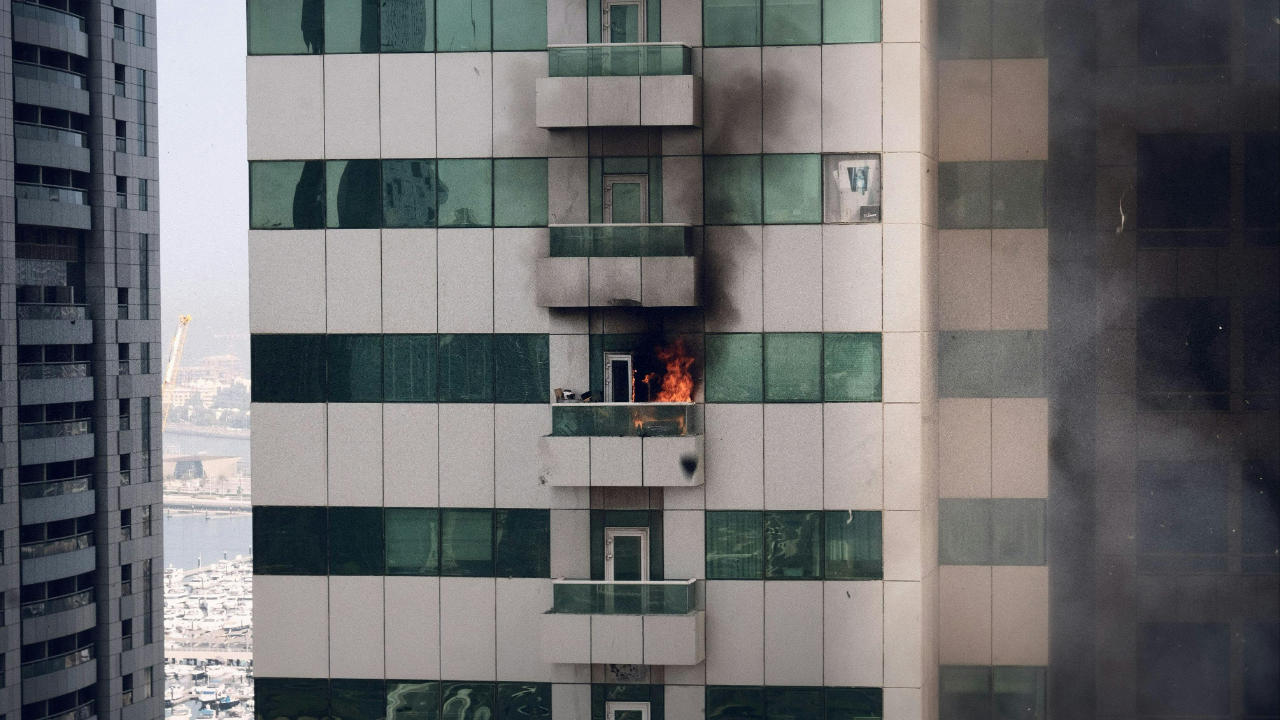
San Diego’s warm climate and seasonal Santa Ana winds make it one of California’s most beautiful — and fire-prone — regions. For property owners, understanding fire safety regulations isn’t just about compliance; it’s about protecting lives, property, and the community. Whether you own a single family home, a multi-unit rental, or a commercial building, there are clear rules and smart steps you should take to reduce fire risk and stay within the law.
Why Fire Safety Matters in San Diego
San Diego County regularly sits at high risk for wildfires and brush fires. Dry conditions, low humidity, and strong winds can turn a small spark into a fast-moving blaze. This reality has shaped local fire safety policies, making prevention and preparedness key priorities for property owners.
California and Local Codes: The Basics
At the state level, the California Fire Code (CFC) sets minimum standards for fire prevention, alarms, sprinklers, exits, and hazardous materials. San Diego and other local jurisdictions adopt the state code and add their own requirements. These cover things like:
- Clearance of vegetation from structures
- Fire access routes and signage
- Inspection of fire extinguishers and suppression systems
- Smoke alarms and carbon monoxide detectors
- Emergency evacuation plans (especially for commercial and multi-unit properties)
As a property owner, you’re responsible for knowing which codes apply to your specific building type and occupancy.
Fire Hardening and Vegetation Management
San Diego’s fire safety regulations pay special attention to “defensible space” — the buffer zone between a building and surrounding vegetation. Property owners in high-risk areas must:
- Maintain a 100-foot defensible space around structures where vegetation is thinned and kept free of dead or dry growth.
- Remove dead trees and shrubs that can fuel wildfires.
- Keep grass and weeds trimmed, especially during dry months.
This isn’t just good advice; local ordinances and the San Diego County Fire Authority enforce these standards with inspections and possible fines.
Smoke Alarms and Fire Detection
Smoke alarms save lives, and both state and local requirements are strict:
- Residential units must have working smoke alarms in every bedroom, outside sleeping areas, and on every floor.
- Multi-unit buildings may have interconnected alarms so that if one detects smoke, all units are alerted.
- Carbon monoxide detectors are also required where fuel-burning appliances or attached garages are present.
Property owners must test alarms regularly and replace batteries at least annually — more often if alarms chirp or fail tests.
Fire Extinguishers and Suppression Systems
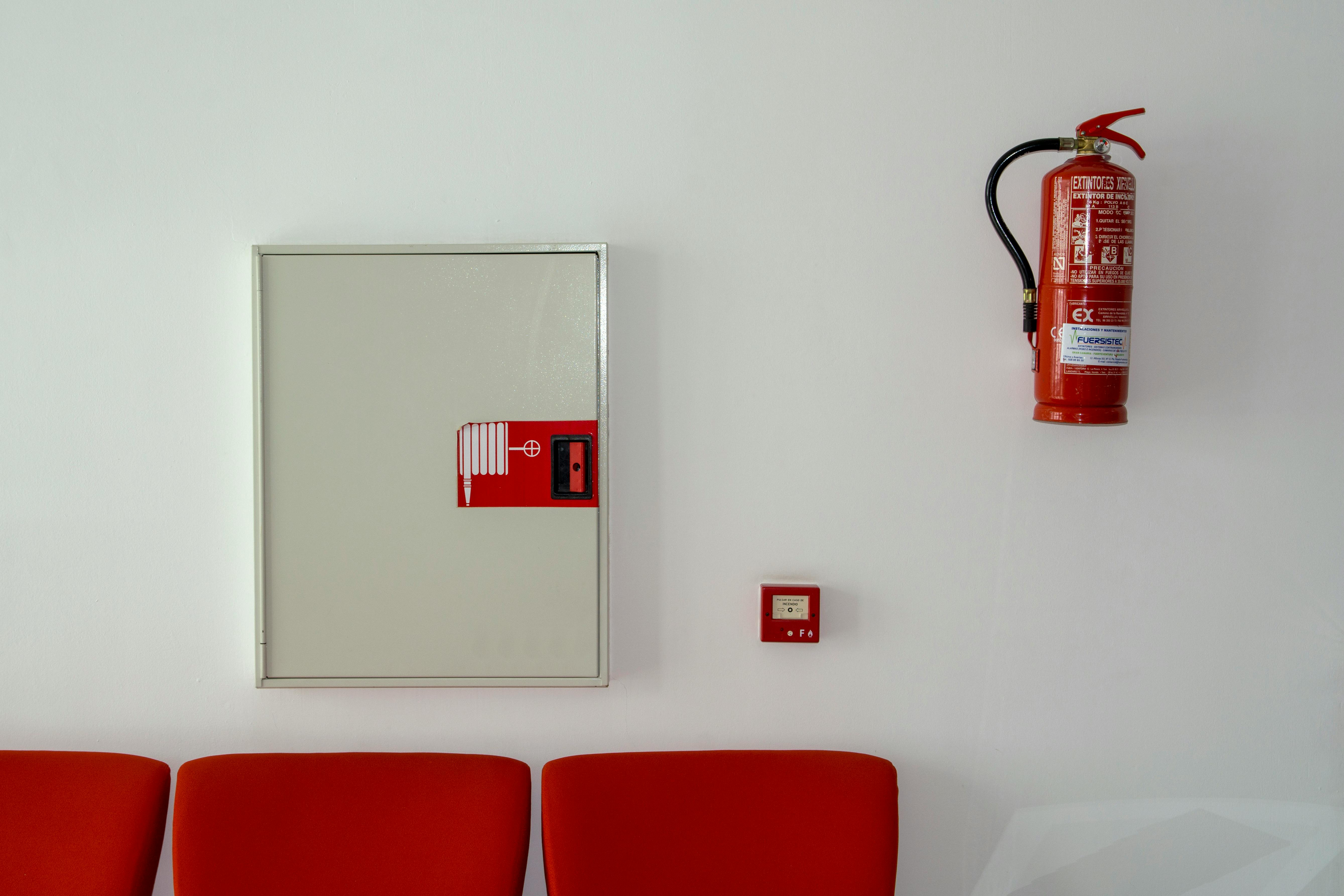
Depending on the property type and occupancy load, San Diego regulations require:
- Portable fire extinguishers in accessible locations, serviced annually.
- Automatic sprinkler systems in many commercial buildings and larger residential complexes.
Licensed professionals should inspect and service these systems. Failing to maintain them can be both unsafe and a violation of code.
Fire Access and Emergency Planning
Properties must have clear, unobstructed access for emergency vehicles. This includes:
- Properly marked fire lanes
- Gates that open easily for fire crews
- Address numbers that are visible from the street at night
For commercial and multi-unit properties, having a written emergency evacuation plan is often required. Staff and tenants should know escape routes and meeting points.
Inspection and Compliance

San Diego Fire-Rescue and local fire authorities conduct routine inspections. These checks may occur:
- When a new tenant moves in
- After major renovations
- During annual fire code inspections
If violations are found, owners might receive notices with deadlines for correction. Ignoring these can lead to fines or even closure of the property until issues are fixed.
Final Thoughts
Fire safety is both a legal obligation and a moral responsibility in San Diego. The rules might seem detailed, but each regulation exists to prevent loss of life and property. Stay proactive: maintain vegetation, test alarms, keep systems serviced, and stay up to date with local ordinances. When you build fire safety into everyday property management, you protect your investment and help keep your neighborhood safe.
For legal help in California and your other needs, contact BERYS LAW on this page. We also offer courses on real estate investing, landlording, and templates right here!
Stay connected with news and updates!
Join our mailing list to receive the latest news and updates from our team.
Don't worry, your information will not be shared.