Home Inspection Contingencies: What They Really Mean
Buying a home often comes with a long list of paperwork, and one of the most important items is the home inspection contingency. While it can sound technical or intimidating, this clause plays a key role in protecting buyers and setting expectations for sellers. Understanding what it really means can help both sides navigate the transaction with fewer surprises.
What Is a Home Inspection Contingency?
A home inspection contingency is a clause in a purchase agreement that allows the buyer to have the property professionally inspected within a specific timeframe. If the inspection reveals issues the buyer finds unacceptable, this contingency gives them options. They can request repairs, ask for a price adjustment, negotiate credits, or, in some cases, walk away from the deal without losing their earnest money.
This contingency is not about finding a “perfect” home. It is about understanding the condition of the property before fully committing to the purchase.
What the Inspection Typically Covers
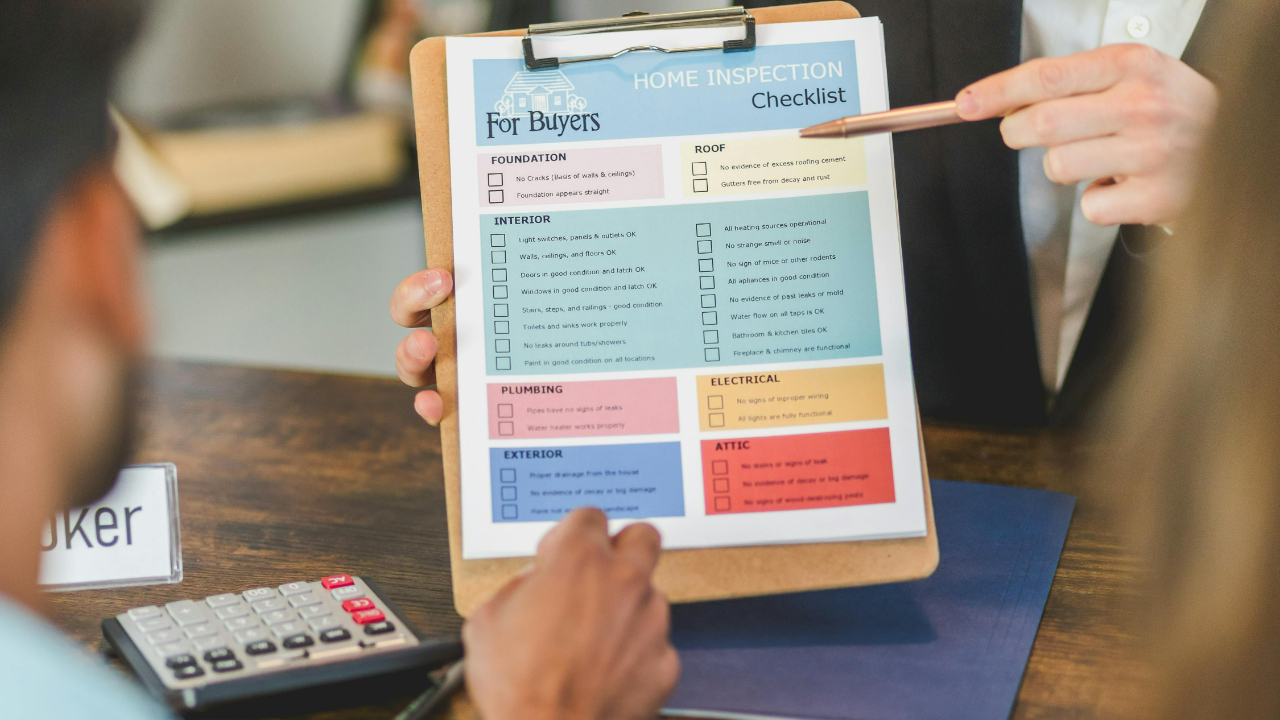
A standard home inspection evaluates the home’s major systems and structure. This usually includes the roof, foundation, electrical systems, plumbing, HVAC, insulation, windows, doors, and visible signs of water damage or mold. Inspectors focus on safety concerns, functional issues, and signs of costly repairs.
It is important to know that inspectors do not tear into walls or move heavy furniture. The inspection is visual and non-invasive. Specialty inspections, such as for termites, radon, or sewer lines, may require separate contingencies or add-ons.
What the Contingency Allows Buyers to Do
Once the inspection report is delivered, buyers typically have a limited window to respond. During this period, they can decide how to proceed based on the findings. Common responses include asking the seller to repair specific issues, requesting a credit to handle repairs after closing, or renegotiating the purchase price.
If the issues are significant and an agreement cannot be reached, the buyer can usually cancel the contract under the contingency without financial penalty.
What Sellers Should Understand
From a seller’s perspective, a home inspection contingency does not mean the deal is falling apart. It is a normal part of most transactions. However, sellers should be prepared for repair requests or negotiations.
Sellers can agree to make repairs, offer credits, push back on certain requests, or refuse them altogether. In some cases, refusing reasonable requests may lead the buyer to exit the deal, so flexibility often helps keep the transaction moving forward.
Common Misconceptions About Inspection Contingencies
One common myth is that buyers can demand repairs for every minor issue. In reality, most negotiations focus on safety hazards or major defects, not cosmetic concerns. Another misconception is that sellers must fix everything. Sellers are not obligated to agree to repairs unless the contract specifies otherwise.
Final Thoughts
Home inspection contingencies exist to create transparency and fairness in a real estate transaction. They give buyers a clearer picture of what they are purchasing and allow sellers the opportunity to address concerns before closing. When understood and handled realistically, this contingency is less about conflict and more about informed decision-making. For both buyers and sellers, knowing what it really means can lead to smoother negotiations and a more confident closing process.
Read more residential real estate related articles below:
- What Buyers Should Know Before Signing a Residential Real Estate Contract
- Understanding Fraudulent Misrepresentations in Real Estate Transactions
- Selling a Home: Disclosures Sellers Must Make
For legal help in California and your other needs, contact BERYS LAW on this page. We also offer courses on real estate investing, landlording, and templates right here!
Stay connected with news and updates!
Join our mailing list to receive the latest news and updates from our team.
Don't worry, your information will not be shared.