“Spooky” House? Legal Questions to Ask Before You Buy
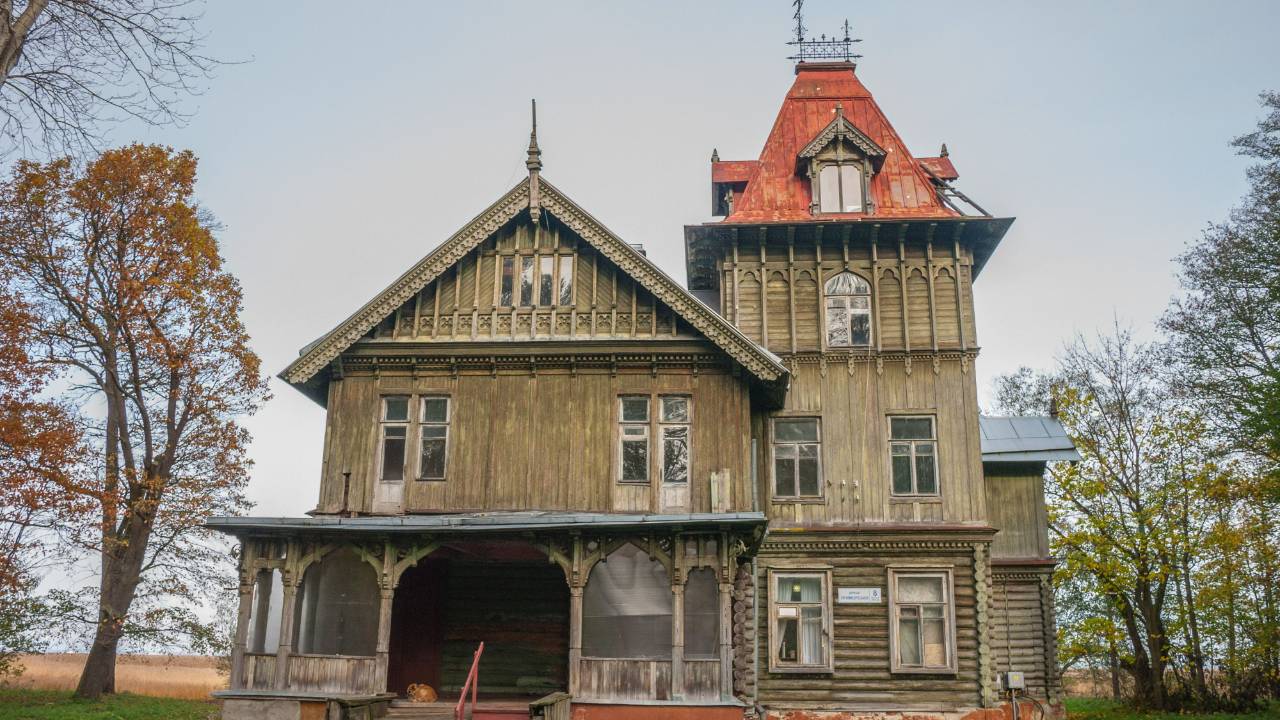
Buying a home with a mysterious past can be exciting, especially around Halloween. But if a property has a reputation for being “spooky,” buyers may have more questions than whether the house is actually haunted. A property's history can sometimes involve deaths, crimes, unusual events, or other circumstances that may create legal or practical concerns. Before making an offer, it is important to understand what sellers are required to disclose and what questions you should ask.
Does the Seller Have to Disclose a Death?
One of the first questions buyers may have is whether a previous death at the property must be disclosed. Disclosure requirements vary depending on the state and the circumstances surrounding the death. Some jurisdictions have specific rules regarding deaths that occurred on a property, while others provide broader protections for sellers.
If a death is particularly important to you, ask your real estate agent or attorney what the applicable disclosure rules are before moving forward. Do not assume that a seller must automatically volunteer every event that ever occurred at the home.
Was a Crime Committed at the Property?
A home associated with a serious crime may attract attention from neighbors, media, or potential buyers. Depending on local law, sellers may have different obligations concerning the disclosure of criminal activity or other events connected to the property.
Ask whether there are known legal issues involving the property and whether any required disclosures have been provided. Reviewing available property records can also help uncover information that may not be obvious during a showing.
Are There Physical Problems Behind the “Spooky” Features?

Sometimes a house seems creepy for reasons that have nothing to do with its history. Strange noises, damp basements, flickering lights, unusual odors, or unexplained temperature changes could indicate maintenance or structural problems.
A professional home inspection can help identify issues involving the foundation, electrical system, plumbing, roof, HVAC system, insulation, or moisture. Buyers should focus on determining whether an unusual feature has a reasonable physical explanation and whether repairs may be necessary.
Are There Restrictions or Property Issues?
Before purchasing, buyers should also investigate ordinary legal concerns that can become more important when buying an unusual or historic property. Check for liens, easements, zoning restrictions, building-code violations, boundary disputes, or homeowner association rules.
If the home is historically designated or subject to preservation rules, renovations may require additional approvals. Understanding these restrictions before closing can prevent unpleasant surprises later.
Should You Ask for Everything in Writing?
If a seller or agent makes statements about the property's history, condition, renovations, or legal status, keep relevant information in writing. Buyers should review the seller's disclosures and purchase documents carefully and ask questions about anything that seems incomplete or unclear.
For significant legal concerns, consulting a qualified real estate attorney can provide additional guidance based on local laws.
Final Thoughts
A “spooky” house does not necessarily mean a bad investment, but its history and condition deserve careful consideration. Before buying, ask questions about deaths, crimes, property disclosures, physical conditions, zoning, liens, and other legal issues. With proper research, professional inspections, and appropriate legal guidance, buyers can make an informed decision based on facts rather than rumors or appearances.
Discover more related articles below:
- Navigating Legal Obligations as a Home Seller: The Importance of Disclosing Property Defects and Issues
- Suing Seller for Non-Disclosure in Real Estate Transactions: What You Need to Know
- Selling a Home: Disclosures Sellers Must Make
For legal help in California and your other needs, contact BERYS LAW on this page. We also offer courses on real estate investing, landlording, and templates right here!
Stay connected with news and updates!
Join our mailing list to receive the latest news and updates from our team.
Don't worry, your information will not be shared.