How Winter Emergencies Can Trigger Commercial Lease Disputes
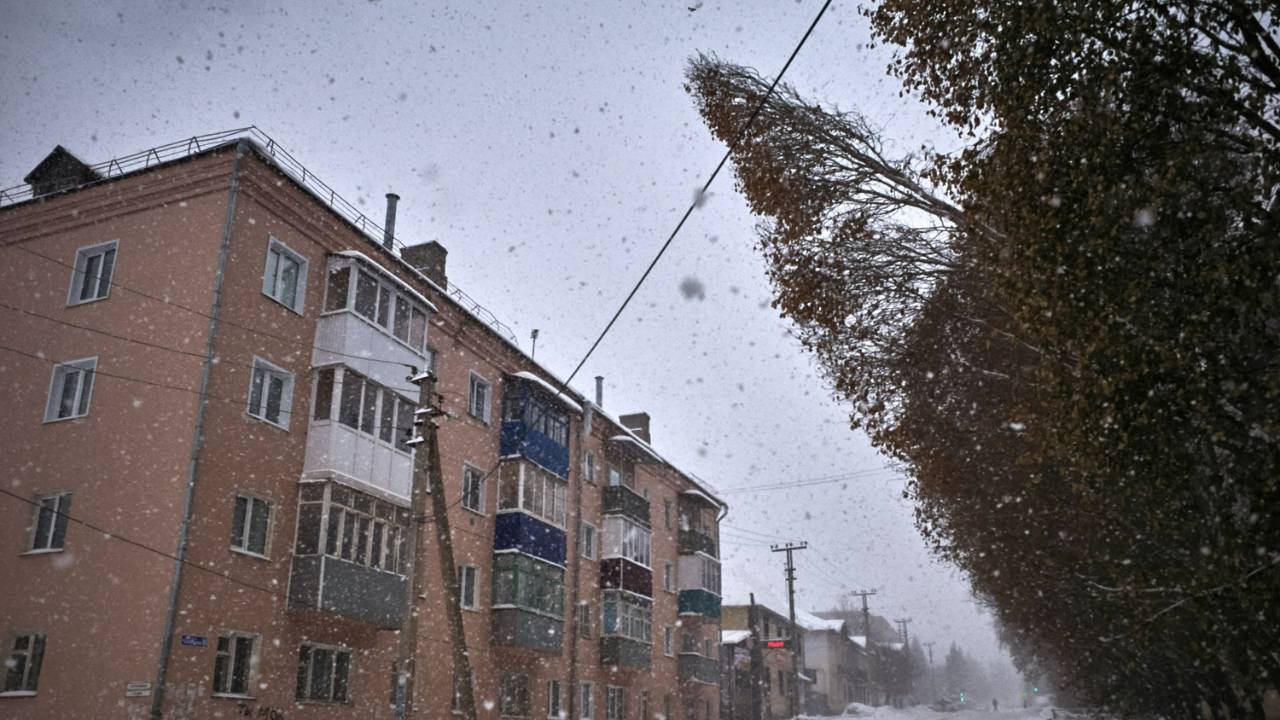
Winter weather can create serious challenges for commercial property owners and tenants. Freezing temperatures, snow, ice, heavy storms, and power outages can damage buildings and interrupt business operations. When an emergency occurs, disagreements may also arise over who is responsible for repairs, maintenance, lost income, or temporary relocation. Understanding how winter emergencies can trigger commercial lease disputes can help both landlords and tenants prepare before problems occur.
Who Is Responsible for Winter Maintenance?
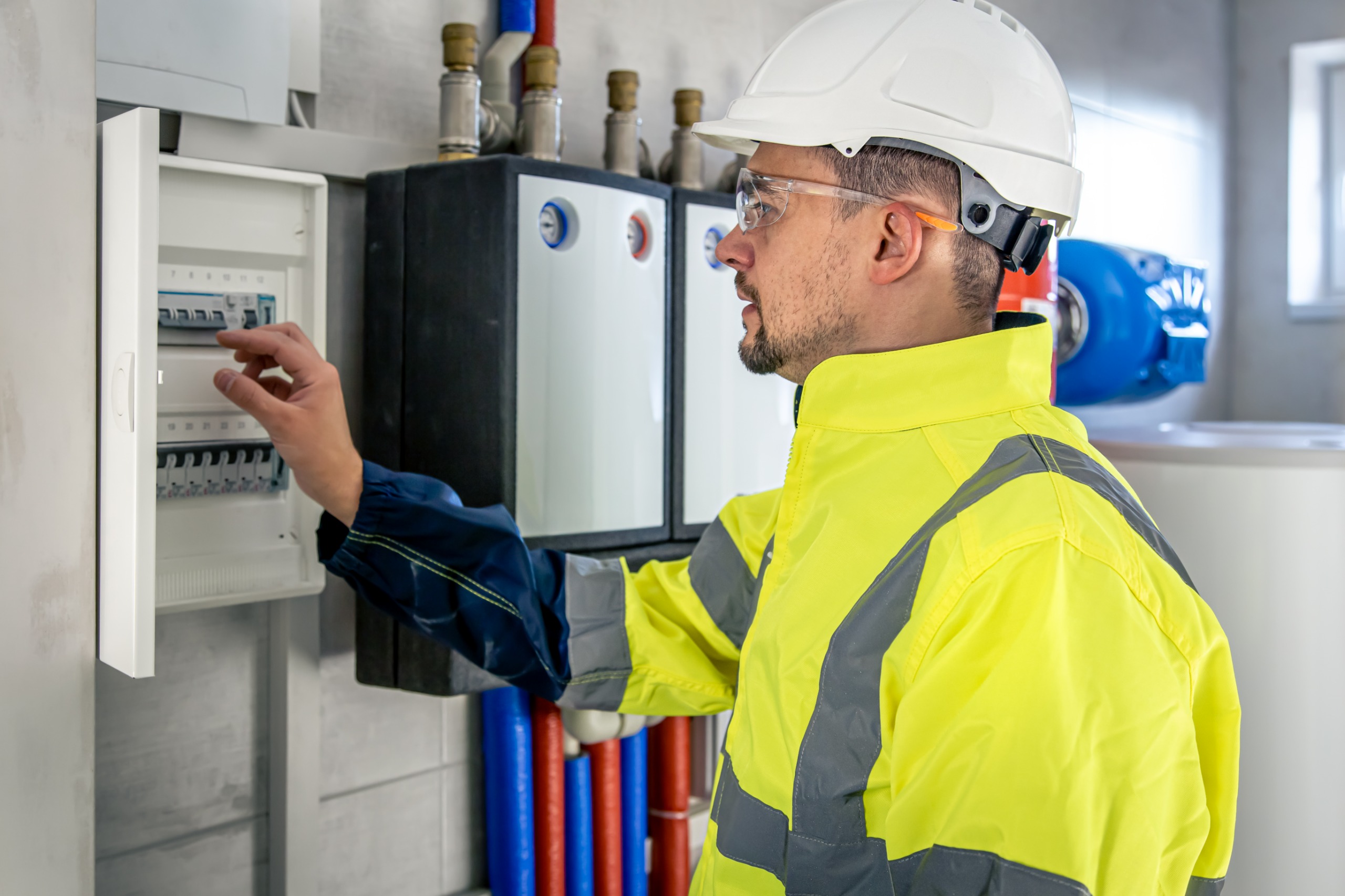
Commercial leases typically divide maintenance and repair responsibilities between the landlord and tenant. Depending on the agreement, the landlord may be responsible for the building's structure, roof, plumbing, or major systems, while the tenant may handle interior maintenance, sidewalks, entrances, or other designated areas.
Winter emergencies can expose uncertainty in these responsibilities. For example, if freezing temperatures cause a pipe to burst, the parties may disagree about whether the problem resulted from a building defect, inadequate maintenance, tenant actions, or an event outside either party's control.
Snow and Ice Can Create Liability Concerns
Snow and ice accumulation can create dangerous conditions around commercial properties. Parking lots, sidewalks, entrances, and loading areas may require regular inspection and maintenance during winter weather.
A lease may specify which party is responsible for snow and ice removal. If the contract is unclear, disputes may develop after an employee, customer, or visitor is injured. Businesses should understand not only what the lease says but also whether local laws impose additional duties regarding property maintenance and safety.
Building Damage Can Lead to Repair Disputes
Winter storms can cause roof leaks, frozen pipes, electrical problems, structural damage, and other issues. After an emergency, landlords and tenants may disagree about who must arrange and pay for repairs.
The lease may contain provisions addressing ordinary repairs, major damage, casualty events, insurance, and restoration obligations. Reviewing these provisions can help determine what each party is expected to do after a winter-related incident.
Read more: What to Do If Your Landlord Won’t Make Repairs in a Commercial Property
Business Interruptions May Create Additional Conflicts
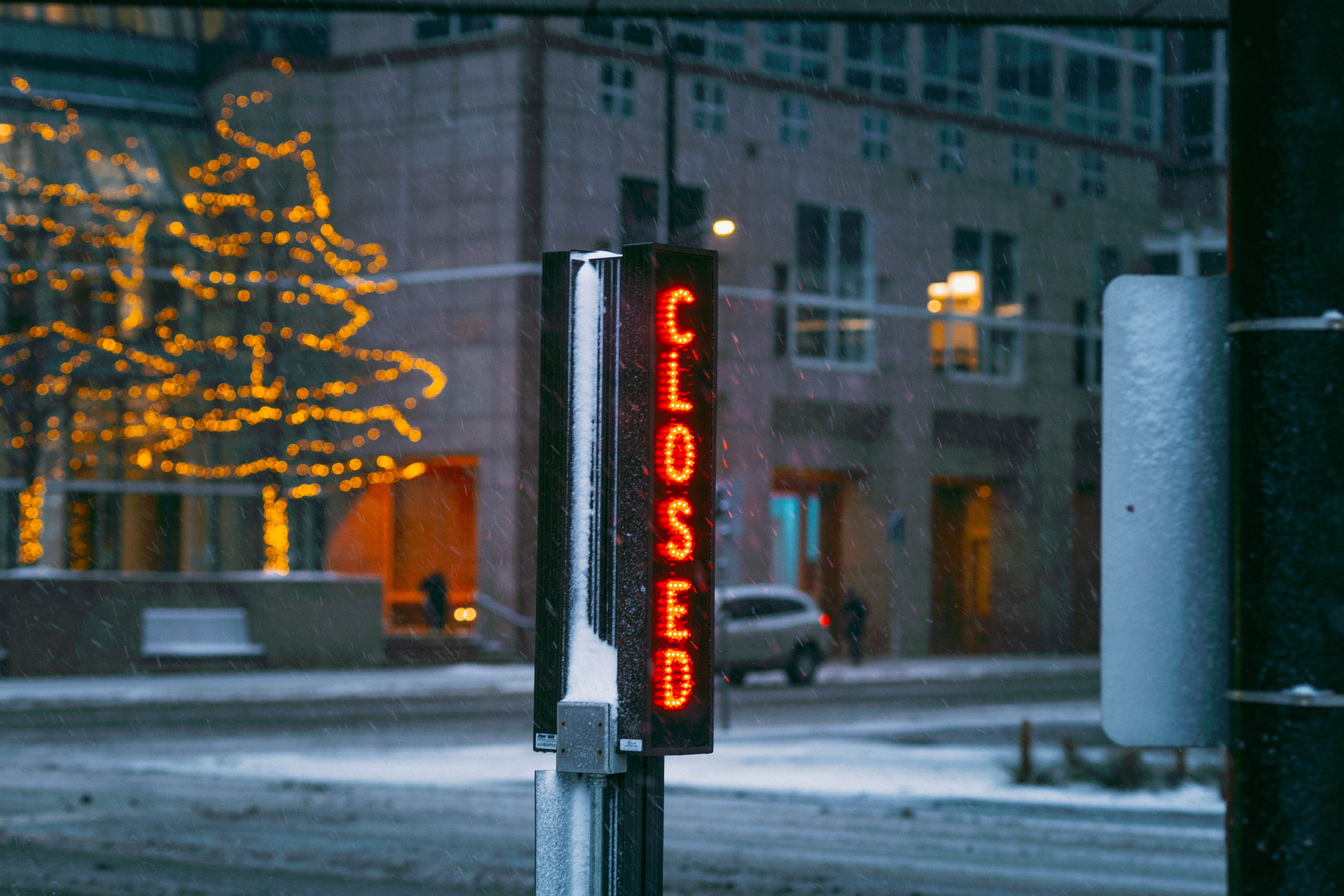
A winter emergency can sometimes make a commercial space temporarily unusable. A restaurant may lose access to its kitchen, a retail store may have to close, or an office may lose heat or electricity.
This can raise questions about rent obligations during the interruption. Some leases contain provisions addressing rent abatement, casualty events, force majeure, or temporary closures. The exact language matters because these provisions can operate differently depending on the circumstances.
Documentation Is Important
When winter damage occurs, both parties should document the condition of the property. Photographs, repair estimates, maintenance records, weather information, inspection reports, and communications can help establish what happened and when.
Tenants should promptly notify landlords of serious problems when the lease requires notice. Landlords should also respond appropriately to repair requests and maintain records of inspections and repairs.
Final Thoughts
Winter emergencies can quickly turn into commercial lease disputes when the lease does not clearly address maintenance, repairs, insurance, business interruptions, and emergency responsibilities. Both landlords and tenants can reduce uncertainty by reviewing their lease before severe weather occurs and understanding their respective obligations.
When a significant dispute develops, reviewing the lease with a qualified attorney can help clarify the parties' rights and responsibilities. Preparing in advance can also make it easier to respond quickly when winter conditions threaten a commercial property.
For legal help in California and your other needs, contact BERYS LAW on this page. We also offer courses on real estate investing, landlording, and templates right here!
Stay connected with news and updates!
Join our mailing list to receive the latest news and updates from our team.
Don't worry, your information will not be shared.