How to Limit Liability When Owning Commercial Property

Owning commercial property can be a rewarding investment, offering opportunities for rental income, long-term appreciation, and portfolio diversification. However, it also comes with legal and financial responsibilities. Property owners may face liability if someone is injured on the premises, if contractual obligations are not met, or if the property does not comply with applicable laws and regulations. Taking proactive steps to manage these risks can help protect both your investment and your financial future.
Form the Right Ownership Structure
One of the first decisions commercial property owners should make is choosing an appropriate ownership structure. Many investors hold commercial real estate through a limited liability company (LLC) or another business entity rather than owning it personally. Depending on the circumstances and applicable laws, this approach may help separate personal assets from certain business-related liabilities.
Because every situation is different, it's wise to consult an attorney or tax professional before deciding which ownership structure best fits your goals.
Read more: How to Choose the Right Legal Structure for Your Business
Maintain Comprehensive Insurance
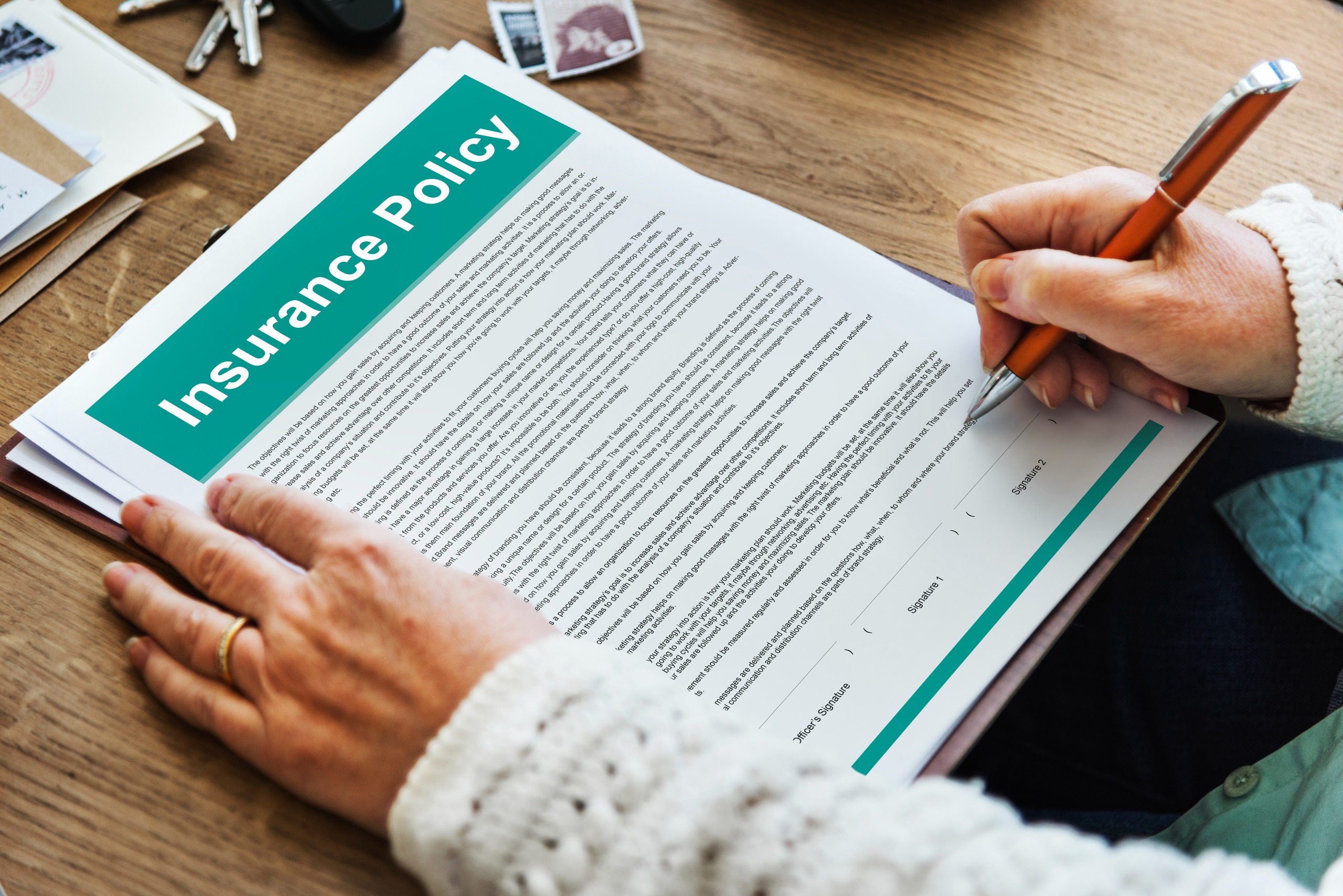
Insurance is one of the most effective ways to reduce financial risk. A standard commercial property insurance policy typically covers damage caused by events such as fire, storms, or vandalism. However, property owners should also consider general liability insurance, which may provide coverage if someone is injured on the property or if property damage results from business operations.
Depending on the property and its use, additional coverage such as umbrella liability insurance, flood insurance, or business interruption insurance may also be worth considering.
Read more: The Legal Risks of Operating Without Business Insurance
Keep the Property Safe
Property owners have an ongoing responsibility to maintain reasonably safe conditions for tenants, visitors, and contractors. Regular inspections can help identify hazards before they become serious problems.
Common maintenance tasks include repairing damaged walkways, ensuring adequate lighting in parking areas, fixing broken handrails, addressing water leaks promptly, and maintaining fire safety equipment. Keeping detailed maintenance records can also demonstrate that reasonable steps were taken to maintain the property.
Use Well-Drafted Lease Agreements
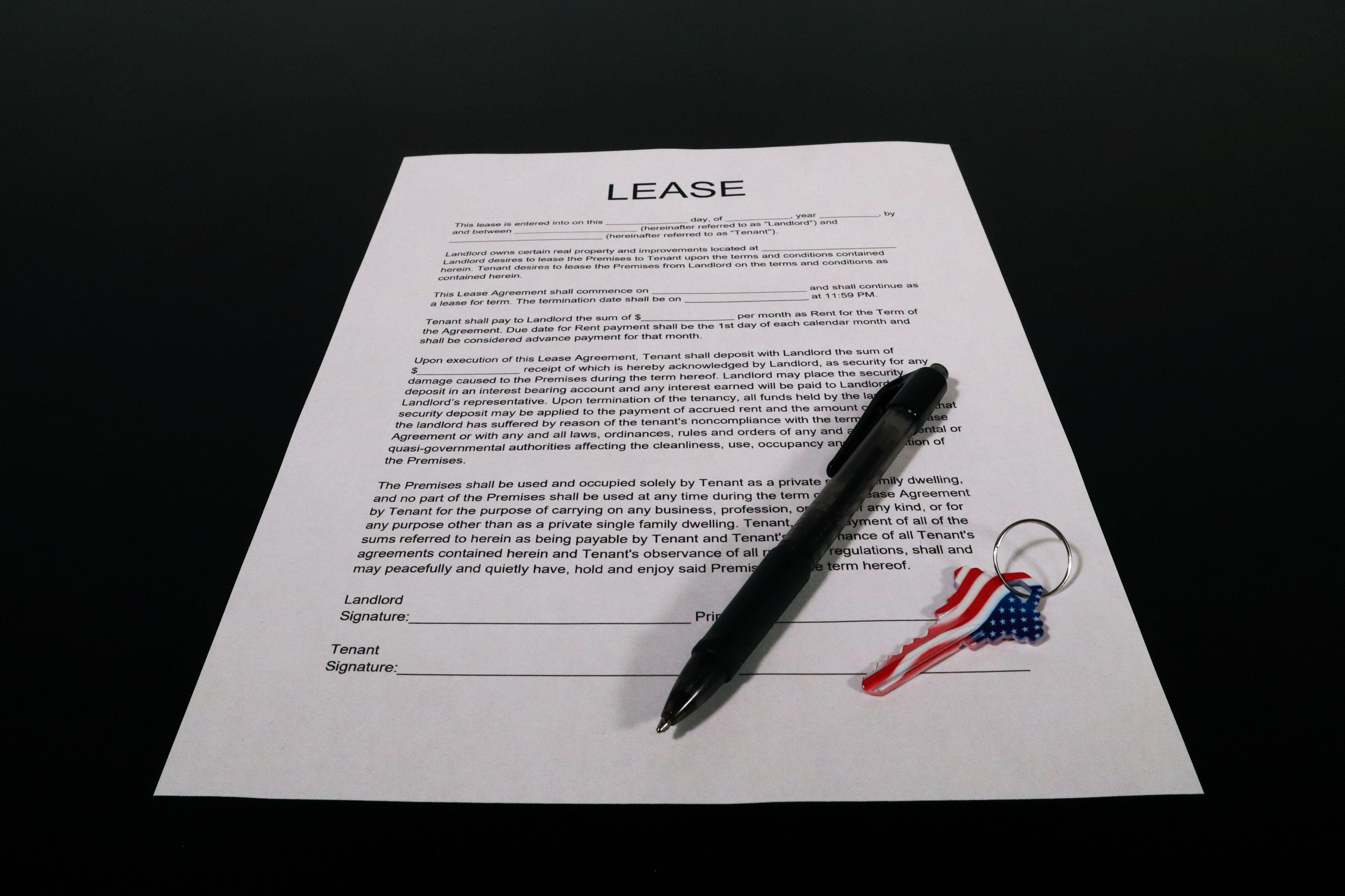
A carefully prepared commercial lease clearly outlines the responsibilities of both the landlord and tenant. Lease agreements often specify who is responsible for maintenance, repairs, insurance requirements, property use, and compliance with applicable laws.
Clearly defining these responsibilities can help reduce misunderstandings and minimize disputes that could lead to legal claims.
Screen Tenants Carefully
Selecting reliable tenants benefits more than just your rental income. Businesses that operate responsibly and maintain their leased space can help reduce property-related risks.
Conducting appropriate financial and business background reviews before signing a lease may help identify tenants who are more likely to meet their contractual obligations and maintain the property responsibly.
Read more: How To Screen Tenants Fairly For Rental Properties
Stay Compliant With Laws and Regulations
Commercial properties are subject to various building codes, fire safety standards, environmental regulations, and local ordinances. Failing to comply with these requirements may result in fines, lawsuits, or other legal consequences. Regularly reviewing changing regulations and scheduling inspections when necessary helps ensure your property remains compliant.
Work With Experienced Professionals
Commercial real estate often involves complex legal, financial, and operational issues. Building a team that includes an experienced real estate attorney, insurance agent, accountant, and property manager can help you identify potential risks before they become costly problems.
Professional guidance is particularly valuable when purchasing property, negotiating leases, or responding to legal claims.
Final Thoughts
Limiting liability as a commercial property owner requires ongoing attention rather than a one-time effort. Choosing the right ownership structure, maintaining adequate insurance, keeping the property safe, using clear lease agreements, and staying compliant with applicable laws all contribute to reducing risk. While no strategy can eliminate liability entirely, taking preventive measures and seeking professional advice can help protect your investment and support the long-term success of your commercial property ownership.
For legal help in California and your other needs, contact BERYS LAW on this page. We also offer courses on real estate investing, landlording, and templates right here!
Stay connected with news and updates!
Join our mailing list to receive the latest news and updates from our team.
Don't worry, your information will not be shared.