Remote Work and Its Impact on Commercial Lease Agreements

Remote work has changed the way businesses think about office space. What started as a temporary adjustment for many companies has evolved into a long-term workplace strategy. As more employees work from home full-time or follow hybrid schedules, businesses are rethinking how much office space they actually need. This shift has had a major impact on commercial lease agreements, forcing landlords and tenants to adapt to new expectations and market realities.
Reduced Demand for Traditional Office Space

One of the biggest effects of remote work is the reduced demand for large office spaces. Companies that once leased entire floors or buildings are now downsizing to smaller offices or flexible coworking arrangements. Businesses no longer see value in paying for unused desks, meeting rooms, and common areas when a large portion of their workforce operates remotely.
As a result, many tenants are renegotiating lease terms before renewal periods end. Some companies are looking for shorter lease commitments instead of traditional long-term agreements that lock them into expensive office costs for years. Flexibility has become a top priority.
Rise of Hybrid-Friendly Lease Structures
Commercial landlords are adjusting to these changing needs by offering more flexible lease structures. Hybrid work models have increased interest in shared office concepts, flexible layouts, and customizable workspaces that can scale up or down depending on staffing needs.
Instead of fixed agreements with little room for change, newer leases may include expansion and contraction clauses. These provisions allow tenants to increase or reduce their office footprint during the lease term. This flexibility helps businesses manage uncertainty while still maintaining a professional workspace for collaboration and client meetings.
Some landlords are also redesigning office buildings to include amenities that support hybrid work environments, such as conference hubs, private meeting pods, wellness spaces, and high-speed technology infrastructure.
Financial Pressure on Property Owners
The rise of remote work has also created financial challenges for commercial property owners. Lower demand for office space means higher vacancy rates in many cities. Buildings that once had waiting lists for tenants are now competing aggressively to attract and retain occupants.
To stay competitive, landlords may offer incentives such as reduced rent, free months of occupancy, tenant improvement allowances, or more favorable lease terms. In some markets, landlords are prioritizing tenant retention over maximizing rental rates because replacing tenants has become more difficult. Property owners with older office buildings may feel the pressure even more. Businesses often prefer modern, adaptable spaces that support collaboration rather than traditional cubicle-heavy layouts.
Increased Focus on Lease Flexibility
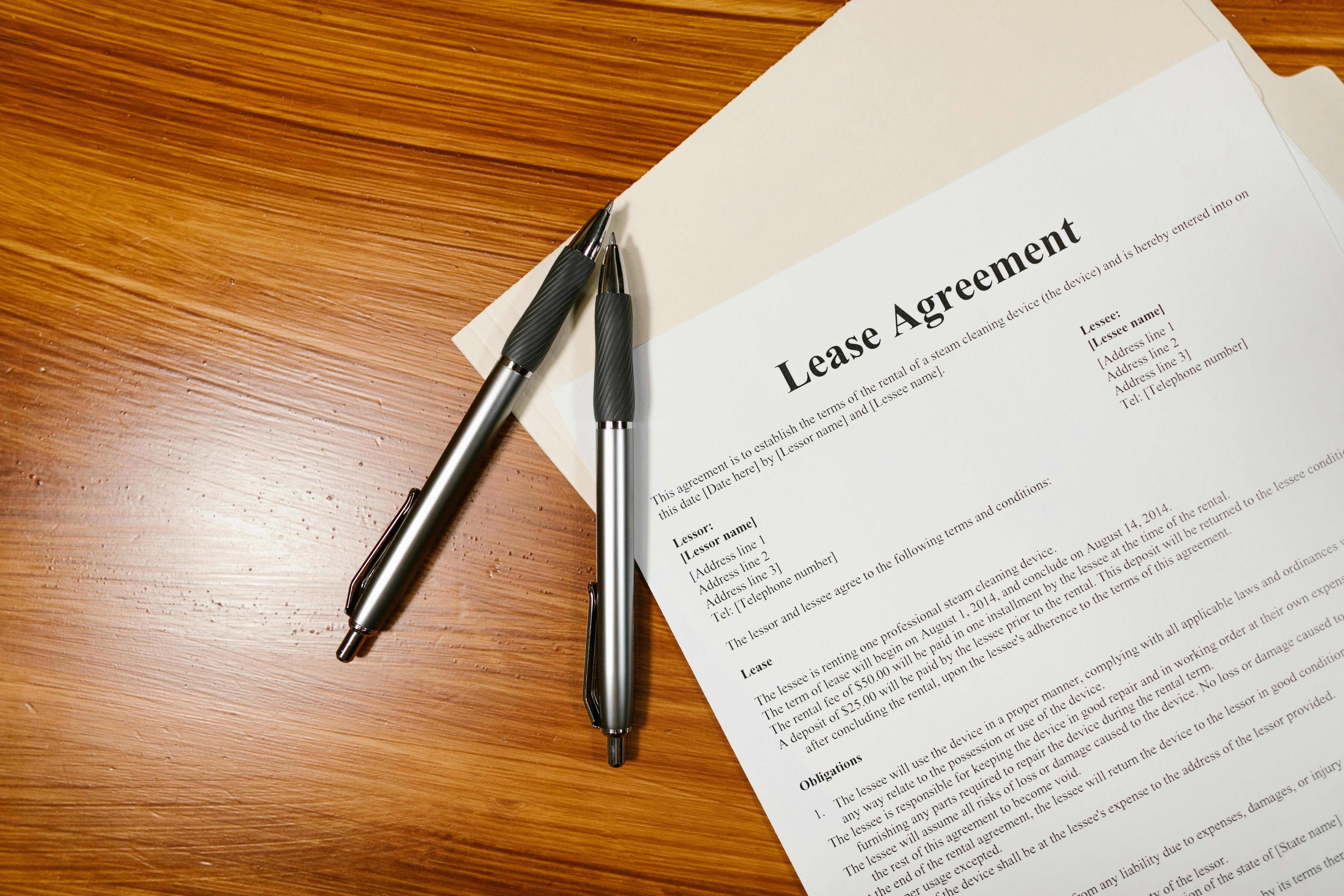
The uncertainty surrounding future workplace trends has made flexibility one of the most important parts of commercial lease negotiations. Tenants are paying closer attention to clauses involving early termination, subleasing rights, renewal options, and shared space arrangements.
Many businesses want the ability to pivot quickly if their staffing model changes again. A company that grows comfortable with remote operations may decide to shrink its office space even further in the future. On the other hand, some organizations may eventually bring employees back to the office more frequently and need room to expand. Because of this unpredictability, both landlords and tenants are approaching lease agreements with more caution and creativity than before.
Discover: Understanding Tenant and Landlord Rights in Commercial Lease Workouts
Final Thoughts
Remote work has permanently influenced the commercial real estate market and the structure of commercial lease agreements. Businesses now prioritize flexibility, efficiency, and adaptability when choosing office space. At the same time, landlords are evolving their leasing strategies to meet changing tenant expectations.
While office spaces are unlikely to disappear completely, the traditional long-term office lease is no longer the automatic standard it once was. The future of commercial leasing will likely revolve around flexible arrangements that balance cost control, employee collaboration, and evolving workplace habits.
For legal help in California and your other needs, contact BERYS LAW on this page. We also offer courses on real estate investing, landlording, and templates right here!
Stay connected with news and updates!
Join our mailing list to receive the latest news and updates from our team.
Don't worry, your information will not be shared.