What Happens If You Lose a Last Will and Testament?
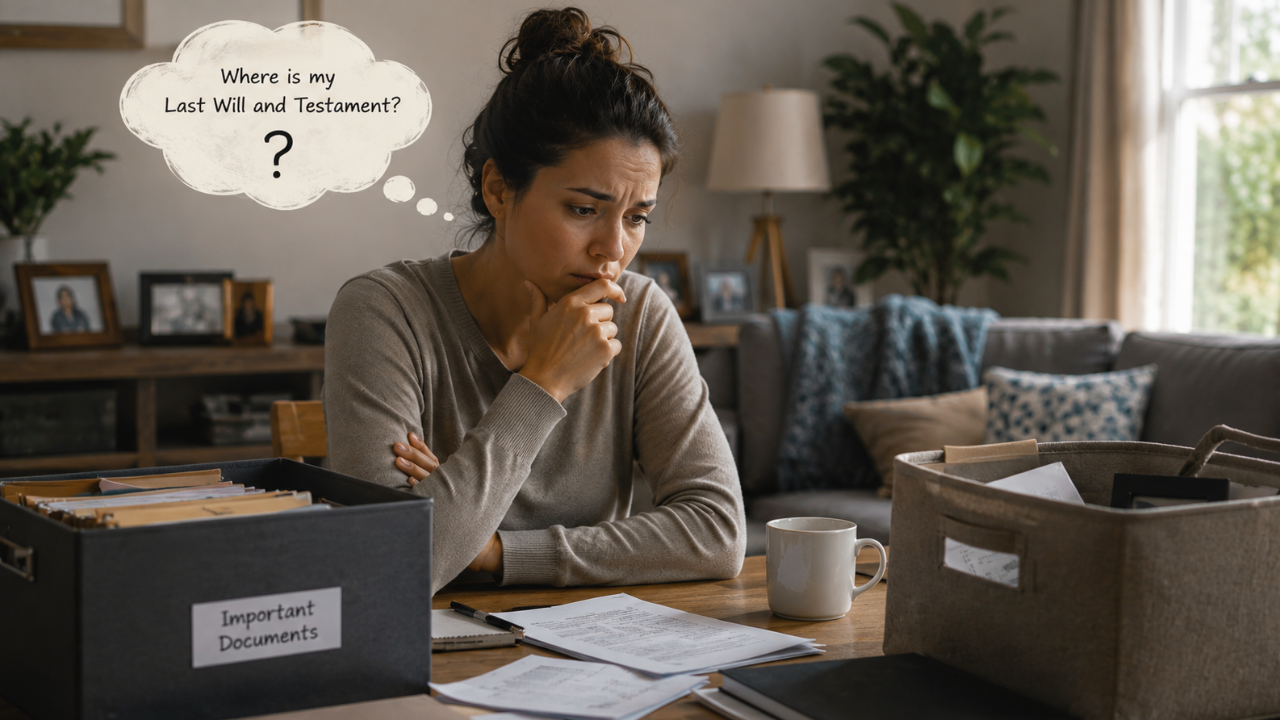
A last will and testament is one of the most important legal documents you can create. It outlines how you want your assets distributed, names an executor to manage your estate, and may include guardianship preferences for minor children. But what happens if the original will cannot be found after your death? While losing a will does not automatically mean your wishes are ignored, it can make the probate process more complicated.
Understanding the potential consequences can help you take steps to protect your estate plan and avoid unnecessary delays for your loved ones.
Why the Original Will Matters
In many jurisdictions, the original signed will is the document that a probate court expects to see. The original helps confirm that the will was properly executed and has not been altered. If only a copy is available, the court may require additional evidence before accepting it.
Depending on local laws, the court may presume that a missing original was intentionally destroyed by the person who created it, especially if it was last known to be in their possession. That presumption may be challenged, but doing so often requires additional documentation or witness testimony.
Can a Copy Be Used?
In some cases, a photocopy or digital copy of a will may be accepted by the court. However, the executor or beneficiaries may need to prove that the copy accurately reflects the original document and that the original was lost or accidentally destroyed rather than intentionally revoked.
The specific requirements vary by state or country. Some courts require testimony from witnesses, the attorney who prepared the will, or other individuals familiar with the estate plan.
What If No Valid Will Can Be Found?
If the court determines that no valid will exists, the estate may be handled under intestacy laws. These laws establish how assets are distributed when someone dies without a legally recognized will.
The order of inheritance typically gives priority to close family members, such as a surviving spouse, children, parents, or siblings. However, the distribution may not reflect the person's actual wishes. Friends, charities, or other intended beneficiaries may receive nothing if they are not recognized under the applicable inheritance laws.
How to Reduce the Risk of Losing Your Will
Taking a few precautions can make it much easier for your loved ones to locate your will when it is needed. Consider these best practices:
- Store the original will in a secure but accessible location.
- Tell your executor where the original document is kept.
- Keep copies for your personal records.
- Inform your attorney if you move or create a new will.
- Review your estate plan periodically to ensure it reflects your current wishes.
Avoid storing your will in a location that cannot be accessed promptly after your death without special authorization.
Replace a Lost Will While You're Alive
If you discover that your original will has been lost during your lifetime, contact your estate planning attorney as soon as possible. If a copy exists, your attorney can often prepare a new original for you to review and sign, following the legal requirements in your jurisdiction.
Creating a replacement promptly helps prevent confusion later and ensures your current wishes are clearly documented.
Final Thoughts
Losing a last will and testament can create legal challenges, but it does not always mean your estate plan is beyond recovery. The outcome depends on the available evidence and the laws where the estate is administered. By storing your will securely, keeping your executor informed, and updating your estate plan when necessary, you can reduce the risk of complications and help ensure your wishes are carried out as intended.
For legal help in California and your other needs, contact BERYS LAW on this page. We also offer courses on real estate investing, landlording, and templates right here!
Stay connected with news and updates!
Join our mailing list to receive the latest news and updates from our team.
Don't worry, your information will not be shared.