What Happens When a Neighbor Blocks Your Easement?
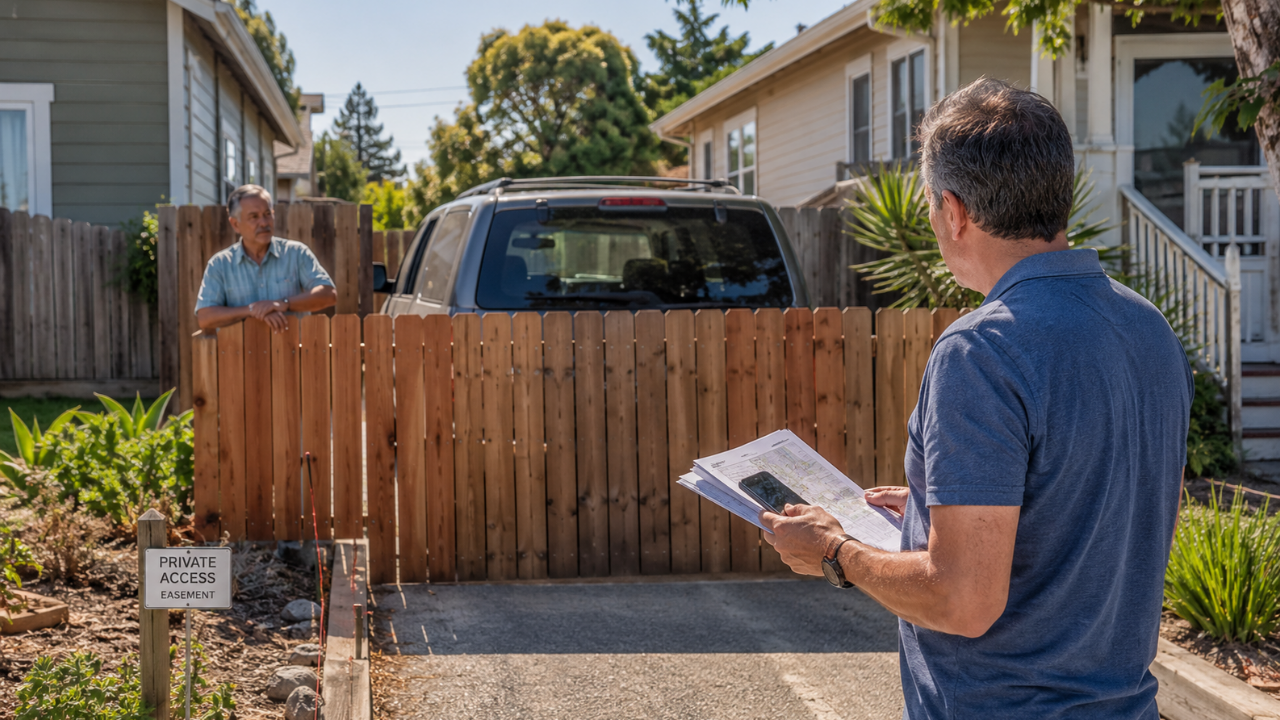
An easement gives someone the legal right to use another person’s property for a specific purpose, such as accessing a driveway, reaching a utility line, or crossing a portion of land. When a neighbor blocks an easement, whether intentionally or accidentally, it can interfere with important property rights and create a frustrating dispute. Understanding what an easement allows and what steps you can take is important before the situation escalates.
First, Confirm the Easement
Before confronting your neighbor, review the documents that created the easement. An easement may be established through a deed, recorded agreement, subdivision map, court order, or, in some circumstances, long-term use recognized under state law. The document should explain where the easement is located and what type of use is permitted.
It is also important to determine whether the obstruction actually interferes with the rights granted by the easement. For example, an easement for pedestrian access may not necessarily give you the right to drive a vehicle through the area. Similarly, a utility easement may permit certain maintenance activities but not general access.
Discover: What Are Easement Disputes?
Common Types of Blocking
A neighbor might block an easement by installing a fence, parking vehicles, placing landscaping or structures in the access area, or otherwise making the permitted use difficult or impossible. In some cases, the issue may be less obvious, such as a gate that prevents reasonable access or construction that narrows the usable portion of the easement.
Not every change to an easement is automatically unlawful. The specific language of the easement and applicable property laws matter. That's why documenting the obstruction and reviewing the relevant records can help establish what is actually being violated.
Try to Resolve the Dispute
If the obstruction appears to violate your easement rights, consider starting with a calm conversation. Your neighbor may not understand the legal significance of the easement or may believe the affected area belongs exclusively to them.
Keep copies of the easement documents, photographs of the obstruction, property surveys, correspondence, and other relevant records. If the problem cannot be resolved informally, a property attorney can review the documents and explain your options. In some situations, a formal demand letter may encourage the neighbor to remove the obstruction without going directly to court.
Read more: Navigating Common Real Estate Disputes: Strategies for Effective Resolution
When Legal Action May Be Necessary
If an obstruction continues, you may be able to seek a court order requiring the neighbor to stop interfering with the easement. Depending on the circumstances and applicable law, other remedies may also be available, including damages for certain losses caused by the interference.
However, taking matters into your own hands can create additional problems. Removing a fence, damaging property, or entering areas outside the scope of your easement could expose you to legal claims.
Discover: What Does a Real Estate Attorney Do?
Final Thoughts
A blocked easement can turn a simple property-right issue into a serious neighbor dispute. The best approach is to verify the easement, document the obstruction, communicate clearly, and seek professional advice when necessary. Because easement rights depend heavily on the wording of the recorded documents and local property law, getting the facts reviewed before taking action can help protect your rights while avoiding an unnecessary escalation.
For legal help in California and your other needs, contact BERYS LAW on this page. We also offer courses on real estate investing, landlording, and templates right here!
Stay connected with news and updates!
Join our mailing list to receive the latest news and updates from our team.
Don't worry, your information will not be shared.