Building a Backyard Guest House: Legal Considerations
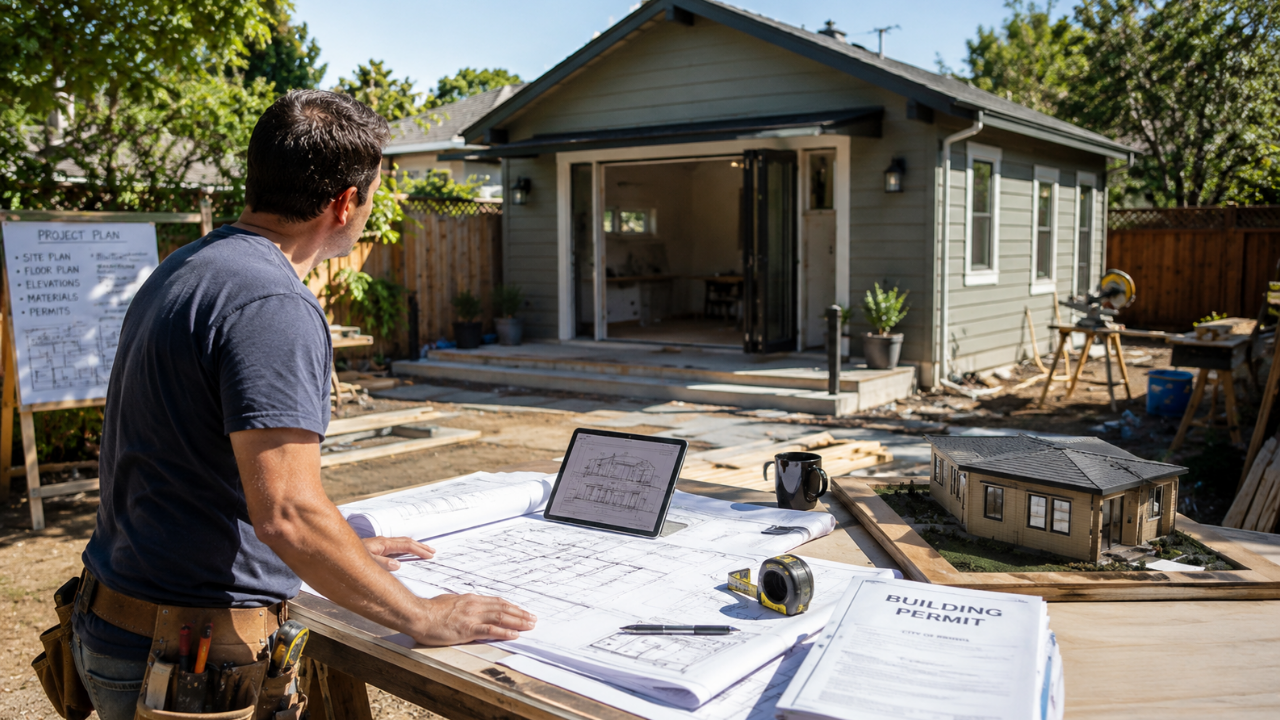
Adding a guest house to your backyard can make a property more useful and potentially increase its value. Whether you plan to create a space for visiting family, a private home office, or a rental unit, the project involves more than choosing a floor plan and hiring a contractor. Before construction begins, homeowners should understand the zoning, permitting, building, and property rules that may apply.
Check Local Zoning Requirements
The first step is determining whether your property can legally accommodate a guest house. Local zoning regulations may control the size, height, location, setbacks, parking, and permitted uses of additional residential structures. In some areas, a backyard guest house may qualify as an accessory dwelling unit (ADU), while other jurisdictions may classify it differently.
Contacting the local planning or zoning department early can help you understand what is allowed. Building plans that look acceptable from a practical standpoint may still violate local requirements if the structure is too close to a property line or exceeds applicable size restrictions.
Understand Permit Requirements
Most permanent residential construction requires permits. Depending on the project, you may need building, electrical, plumbing, mechanical, grading, or other specialized permits. Permit requirements can vary based on the property's location and the features included in the guest house.
Skipping required permits can create significant problems later. A homeowner may face fines, construction delays, difficulty selling the property, or requirements to modify or remove unapproved work. Future buyers or lenders may also question improvements that do not have proper documentation.
Review Building and Safety Codes

A guest house must generally meet applicable building and safety standards. These rules can address structural components, electrical systems, plumbing, insulation, ventilation, fire safety, windows, entrances, and other features.
Requirements may differ depending on whether the structure includes a kitchen, bathroom, sleeping areas, or separate utility connections. Working with qualified professionals can help ensure the design meets current standards before construction begins.
Discover: Fire Safety Regulations in San Diego: What Property Owners Must Know
Consider Property and Community Restrictions
Government regulations are not the only rules that may apply. If your property is part of a homeowners association, review its governing documents before moving forward. HOA rules may regulate exterior structures, architectural changes, construction activity, or the appearance of the property.
You should also review your deed and other recorded property documents for easements, setback restrictions, or covenants that could affect where a guest house can be built. An easement running through the backyard, for example, may limit construction in that area even if local zoning rules would otherwise allow it.
Read more: What Legal Powers Does an HOA Have?
Think About Rental and Tax Issues

If you intend to rent the guest house, additional rules may apply. Local regulations can govern long-term or short-term rentals, occupancy, registration, taxes, and licensing. Your homeowner's insurance policy may also need to be updated to reflect the new structure and its intended use.
Adding a substantial structure may affect property taxes as well. Before construction, consider asking the appropriate local authorities or a qualified tax professional how the improvement could affect your assessment.
Final Thoughts
A backyard guest house can be a valuable addition, but legal preparation should come before construction. Check zoning rules, obtain the necessary permits, review building codes and private restrictions, and understand any rental, insurance, and tax implications. Taking these steps early can prevent expensive surprises and help ensure your new guest house is both functional and legally compliant.
For legal help in California and your other needs, contact BERYS LAW on this page. We also offer courses on real estate investing, landlording, and templates right here!
Stay connected with news and updates!
Join our mailing list to receive the latest news and updates from our team.
Don't worry, your information will not be shared.