Can a Landlord Lock Out a Commercial Tenant?

When disputes arise between landlords and commercial tenants, questions often come up about what actions a property owner can legally take if rent goes unpaid or lease terms are violated. One common question is whether a landlord can simply lock a commercial tenant out of the property. The answer depends on the lease agreement and the laws of the state where the property is located.
Unlike residential leases, commercial leases often provide more flexibility for negotiating terms. However, landlords must still follow applicable laws and the procedures outlined in the lease before taking possession of the property.
Understand the Lease Agreement
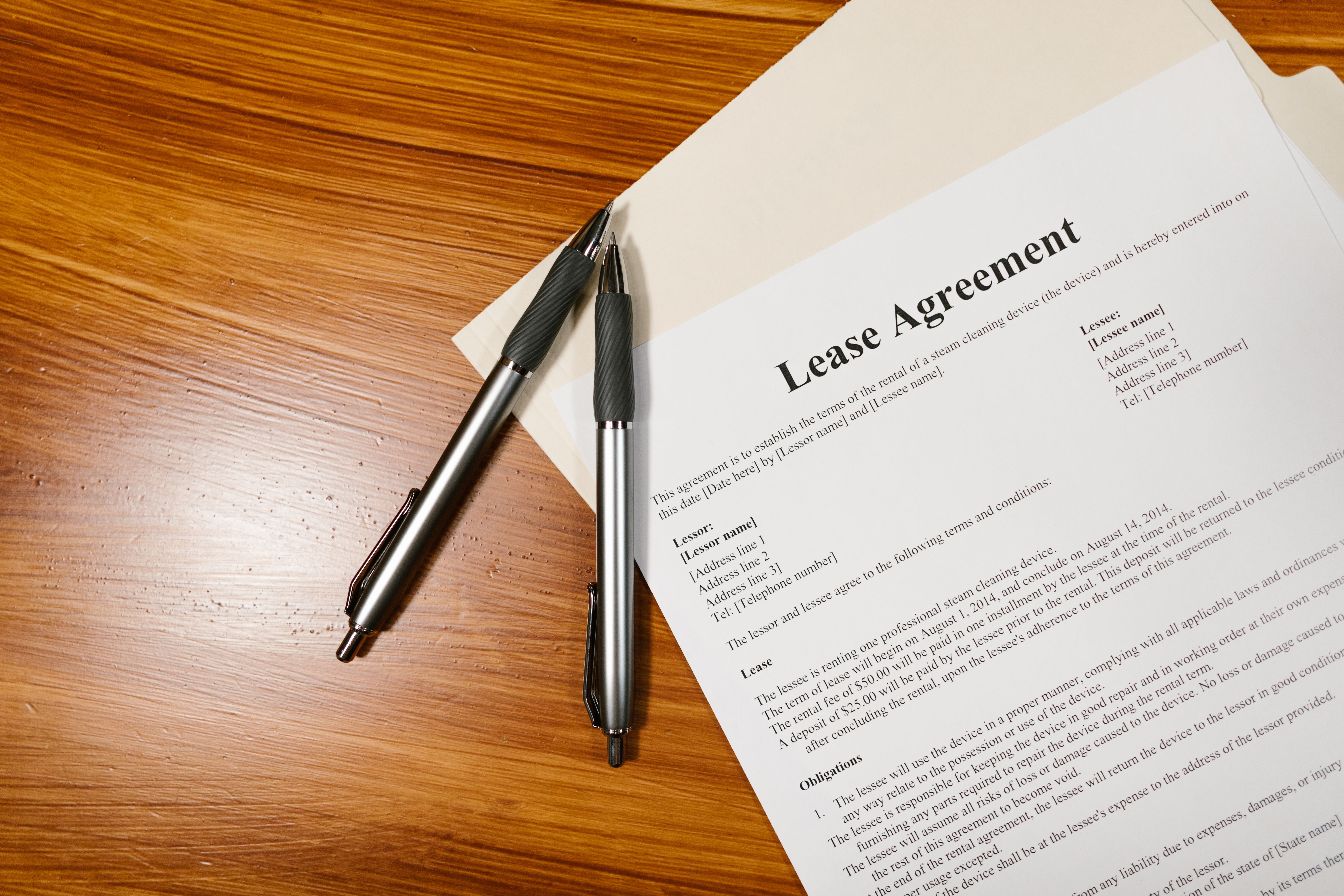
A commercial lease is the primary document that governs the relationship between the landlord and tenant. It typically outlines the circumstances under which a landlord may terminate the lease, pursue remedies for nonpayment, or regain possession of the property.
Some leases include provisions regarding lockouts or the landlord's right to re-enter the premises after a default. Even when these clauses exist, they may be limited or overridden by state law, making it essential to review both the lease and applicable legal requirements.
State Laws Matter
Commercial landlord-tenant laws vary significantly by state. Some jurisdictions permit certain forms of peaceful self-help, including changing the locks under limited circumstances if it can be done without breaching the peace. Other states prohibit self-help lockouts altogether and require landlords to obtain a court order before removing a tenant.
Because these rules differ, landlords should avoid assuming that practices allowed in one state are legal in another. Understanding local laws is critical before taking any action.
Risks of an Improper Lockout
Locking a commercial tenant out without following the law can expose a landlord to significant legal consequences. A tenant may claim damages for lost business income, damaged inventory, interrupted operations, or breach of the lease agreement.
An improper lockout can also lead to costly litigation, delays in regaining possession of the property, and additional financial losses that could have been avoided by following the proper legal process.
Common Alternatives

Instead of attempting a lockout, landlords often pursue remedies that are specifically authorized by the lease and state law. These may include providing written notices of default, negotiating payment arrangements, seeking mediation, or filing an eviction or unlawful detainer action through the courts. Following the proper legal process helps protect both parties' rights while reducing the risk of future disputes.
Read more: Commercial Tenant Evictions: What Landlords Need to Know
Communication Can Prevent Escalation
Many commercial lease disputes can be resolved before legal action becomes necessary. If a tenant is experiencing temporary financial challenges, discussing payment options or modifying certain lease terms may benefit both parties.
Open communication can preserve a business relationship, reduce legal expenses, and allow the tenant to continue operating while meeting revised obligations.
Seek Legal Guidance
Commercial leases often involve substantial financial investments, making it important for both landlords and tenants to understand their legal rights and responsibilities. Before attempting to change the locks or deny access to a commercial property, landlords should consult a qualified attorney familiar with commercial real estate law in their jurisdiction.
Likewise, tenants who believe they have been improperly locked out should seek legal advice promptly to understand the remedies that may be available.
Read more: The Many Roles of a Commercial Real Estate Attorney Explained Simply
Final Thoughts
Whether a landlord can lock out a commercial tenant depends on the terms of the lease and the laws governing commercial tenancies in the applicable state. Because legal requirements vary, there is no one-size-fits-all answer. Acting without proper authority can result in costly legal consequences and prolonged disputes.
By carefully reviewing the lease, complying with state law, and seeking legal guidance when necessary, landlords can address tenant defaults through appropriate legal channels while protecting their interests. Tenants, in turn, should understand their rights under the lease and applicable laws to ensure any dispute is handled fairly and lawfully.
For legal help in California and your other needs, contact BERYS LAW on this page. We also offer courses on real estate investing, landlording, and templates right here!
Stay connected with news and updates!
Join our mailing list to receive the latest news and updates from our team.
Don't worry, your information will not be shared.