Can a Torn or Damaged Will Still Be Valid?
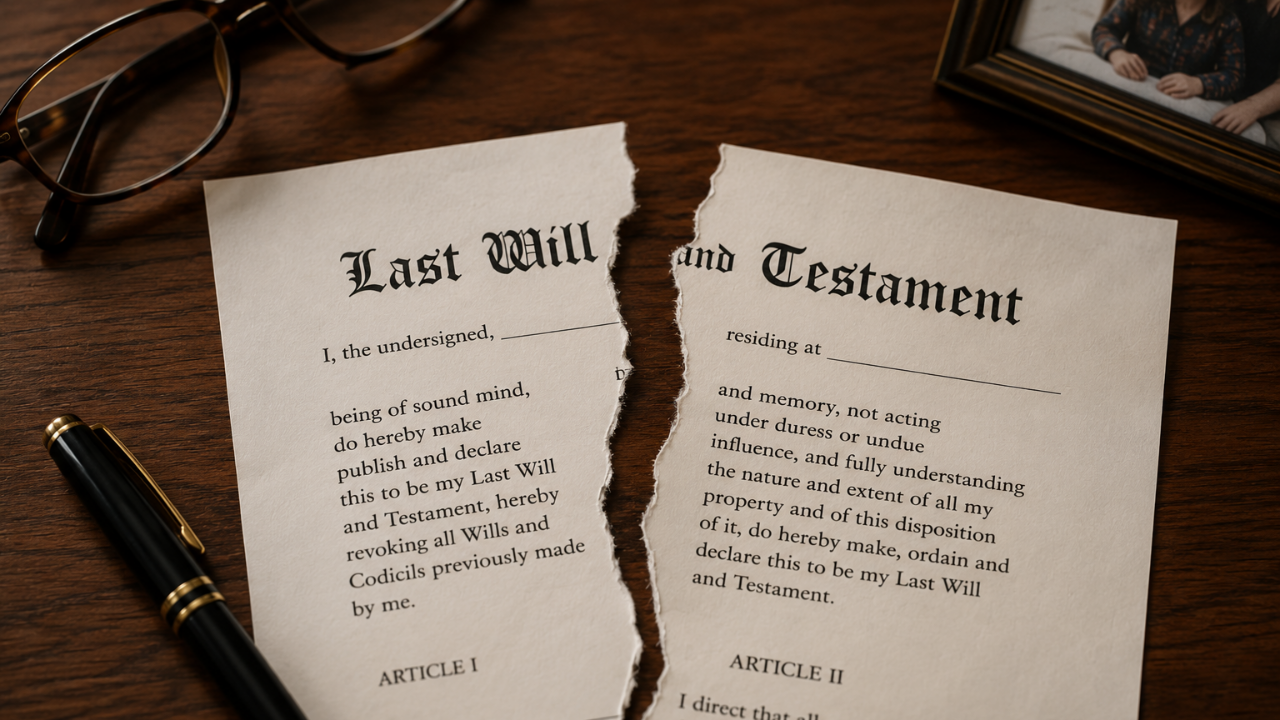
A last will and testament is designed to ensure your wishes are carried out after your death, but what happens if the document becomes torn, stained, water-damaged, or otherwise compromised? Many people worry that physical damage automatically makes a will invalid. In reality, the answer depends on the extent of the damage, the condition of the document, and the laws that apply where the will is being probated.
If a will is damaged, it does not necessarily mean your estate plan is no longer enforceable. However, significant damage can create legal questions that may require additional review by the probate court.
Minor Damage Usually Doesn't Invalidate a Will
Everyday wear and tear is common, especially if a will has been stored for many years. A small tear, faded ink, water spots, or a wrinkled appearance generally does not affect the document's validity, provided the important information remains readable.
As long as the signatures, witness information, and the contents of the will can still be identified, a court is often able to consider the document during probate. The key issue is whether the will can still be understood and verified as the person's final valid instructions.
Intentional Damage May Raise Questions
The situation becomes more complicated if the damage appears intentional. In some jurisdictions, if a person deliberately tears, burns, shreds, or destroys their own will with the intent to revoke it, the law may treat that action as a valid revocation.
For example, if a will is found ripped into multiple pieces and there is evidence suggesting the person intentionally destroyed it before their death, the court may determine that the individual intended to cancel the document.
However, proving intent is often an important part of the process. Accidental damage caused by fire, flooding, or mishandling is generally viewed differently from deliberate destruction.
When the Court May Need More Evidence
If a damaged will is difficult to read or appears incomplete, the probate court may require additional evidence before accepting it. This could include:
- Testimony from witnesses who observed the signing.
- Copies of the original will.
- Records maintained by the attorney who prepared the document.
- Other evidence showing the person's final estate planning intentions.
The court's goal is to determine whether the damaged document accurately reflects the person's wishes and whether it remained legally valid at the time of death.
Protect Your Will from Damage
Proper storage can help prevent many of these problems. Consider keeping your original will in a secure, dry location that is protected from water, fire, and accidental damage. Let your executor know where the document is stored so it can be located when needed.
It is also wise to keep a copy for your personal records and review your estate plan periodically. If your original will becomes badly damaged while you are still alive, consult an estate planning attorney about preparing and properly signing a replacement.
Don't Try to Repair or Alter the Document
If you discover that your will has been damaged, avoid making handwritten corrections, taping together missing sections, or attempting to rewrite portions yourself. Unauthorized changes could create confusion or raise questions during probate.
Instead, seek legal guidance on whether creating a new will is the best course of action. A properly executed replacement can eliminate uncertainty and help ensure your wishes are clearly documented.
Final Thoughts
A torn or damaged will is not automatically invalid. Minor damage often has little impact if the document remains readable and its authenticity can be verified. More serious or intentional damage, however, may lead to legal challenges regarding the person's intent. By storing your will carefully, reviewing it regularly, and replacing it if it becomes significantly damaged, you can help protect your estate plan and provide greater peace of mind for your loved ones.
For legal help in California and your other needs, contact BERYS LAW on this page. We also offer courses on real estate investing, landlording, and templates right here!
Stay connected with news and updates!
Join our mailing list to receive the latest news and updates from our team.
Don't worry, your information will not be shared.