Simple Ways to Prevent Tenant Conflicts in Multi-Tenant Commercial Buildings

Managing a multi-tenant commercial building is about more than collecting rent and maintaining the property. When several businesses share common spaces, parking areas, and building systems, conflicts can arise if expectations are unclear or communication breaks down. The good news is that most tenant disputes are preventable with a few practical management habits.
Set clear rules from the start

The lease agreement is the foundation of the landlord-tenant relationship. Make sure it clearly outlines each tenant’s rights and responsibilities, including:
- Use of common areas such as lobbies, hallways, kitchens, and conference rooms
- Parking assignments and visitor parking policies
- Noise restrictions and business hours
- Trash disposal and cleanliness expectations
- Signage and exterior appearance guidelines
When rules are specific and written down, tenants are less likely to make assumptions that lead to disputes.
Communicate consistently
Regular communication helps build trust and prevents small issues from becoming major problems. Send periodic building updates by email or through a tenant portal. Include reminders about policies, maintenance schedules, and any temporary disruptions.
Encourage tenants to report concerns early. A simple “We’re here to help resolve issues quickly” message can make businesses feel heard before frustrations escalate.
Respond to complaints promptly and fairly
Ignoring complaints is one of the fastest ways to damage tenant relationships. Whether the issue involves noise, parking, odors, or shared equipment, acknowledge the concern quickly and investigate objectively.
Avoid taking sides based on assumptions. Speak with all involved parties, review relevant lease terms, and document your findings. Consistent, neutral enforcement of rules helps tenants feel the process is fair.
Read more: Handling Tenant Complaints: Best Practices for California Landlords
Create a culture of respect in shared spaces
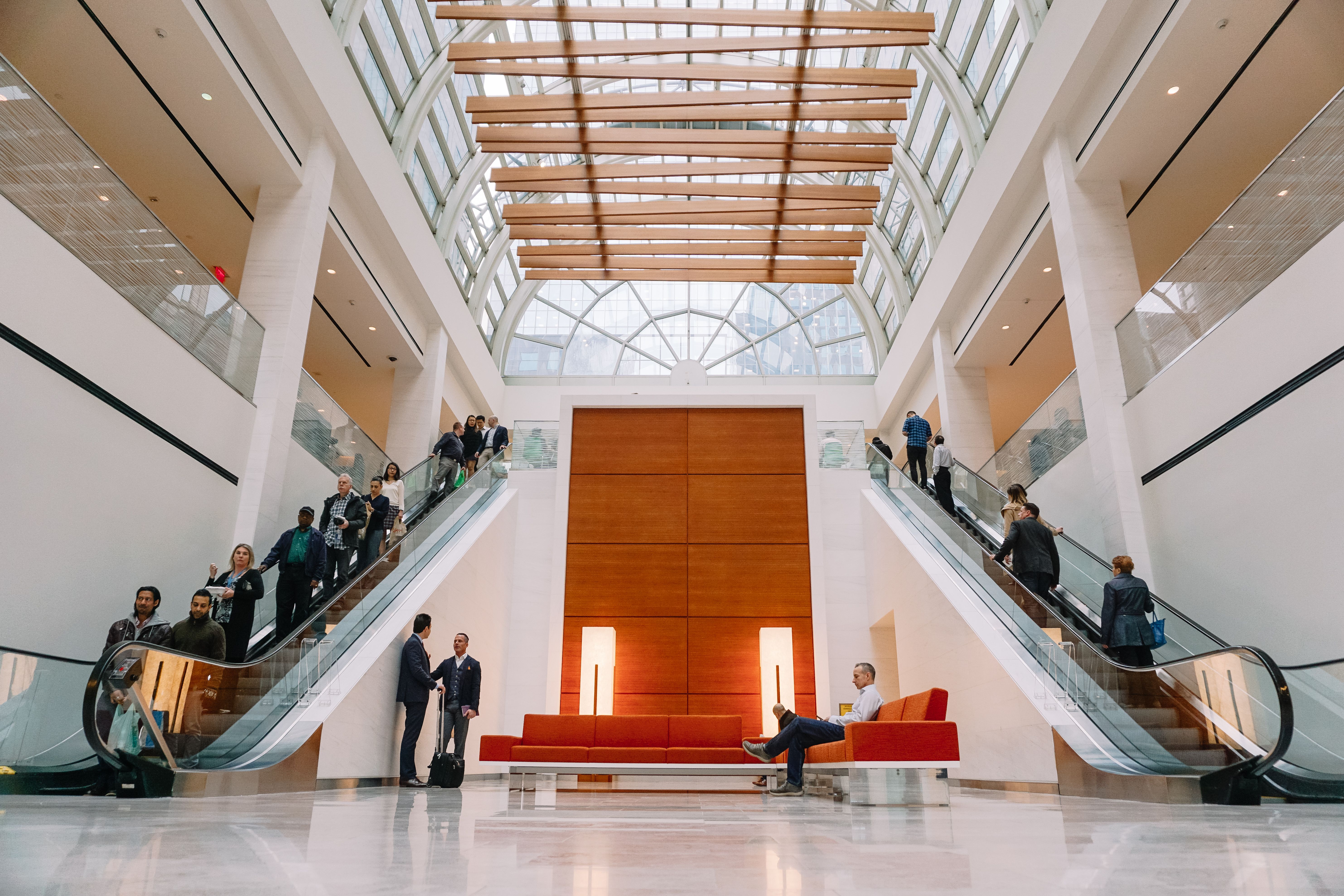
Many conflicts stem from misunderstandings about common areas. Posting friendly reminders can help reinforce expectations without sounding overly strict. Examples include:
- Keep hallways clear of deliveries and equipment
- Clean up shared kitchen or break areas after use
- Dispose of trash in designated bins
- Respect reserved parking spaces
You can also organize occasional tenant meet-and-greet events or networking breakfasts. When businesses know their neighbors personally, they are often more patient and cooperative.
Manage maintenance proactively
Building problems such as HVAC failures, plumbing issues, and inconsistent cleaning can create tension among tenants, especially when one business feels another is receiving preferential treatment.
Use a reliable maintenance request system and keep tenants informed about repair timelines. Preventive maintenance reduces disruptions and shows tenants that the property is professionally managed.
Be transparent about shared costs and services
In buildings where tenants contribute to common area maintenance (CAM) charges or shared utilities, transparency matters. Provide clear explanations of how charges are calculated and what services they cover.
Unexpected fees or vague billing practices can quickly erode trust. Detailed statements and open communication reduce suspicion and confusion.
Address recurring issues with policy updates
If the same conflict keeps happening—such as unauthorized parking or after-hours noise—it may be time to revise building policies. Communicate updates clearly, explain the reason for the change, and apply the new rules consistently to all tenants.
Final Thoughts
Tenant conflicts are not inevitable in multi-tenant commercial buildings. Clear expectations, consistent communication, prompt problem-solving, and fair enforcement go a long way toward creating a cooperative environment. When tenants feel respected and informed, they are more likely to focus on running their businesses instead of arguing with their neighbors.
For legal help in California and your other needs, contact BERYS LAW on this page. We also offer courses on real estate investing, landlording, and templates right here!
Stay connected with news and updates!
Join our mailing list to receive the latest news and updates from our team.
Don't worry, your information will not be shared.