What Should You Do If Your Neighbor Builds on Your Property?
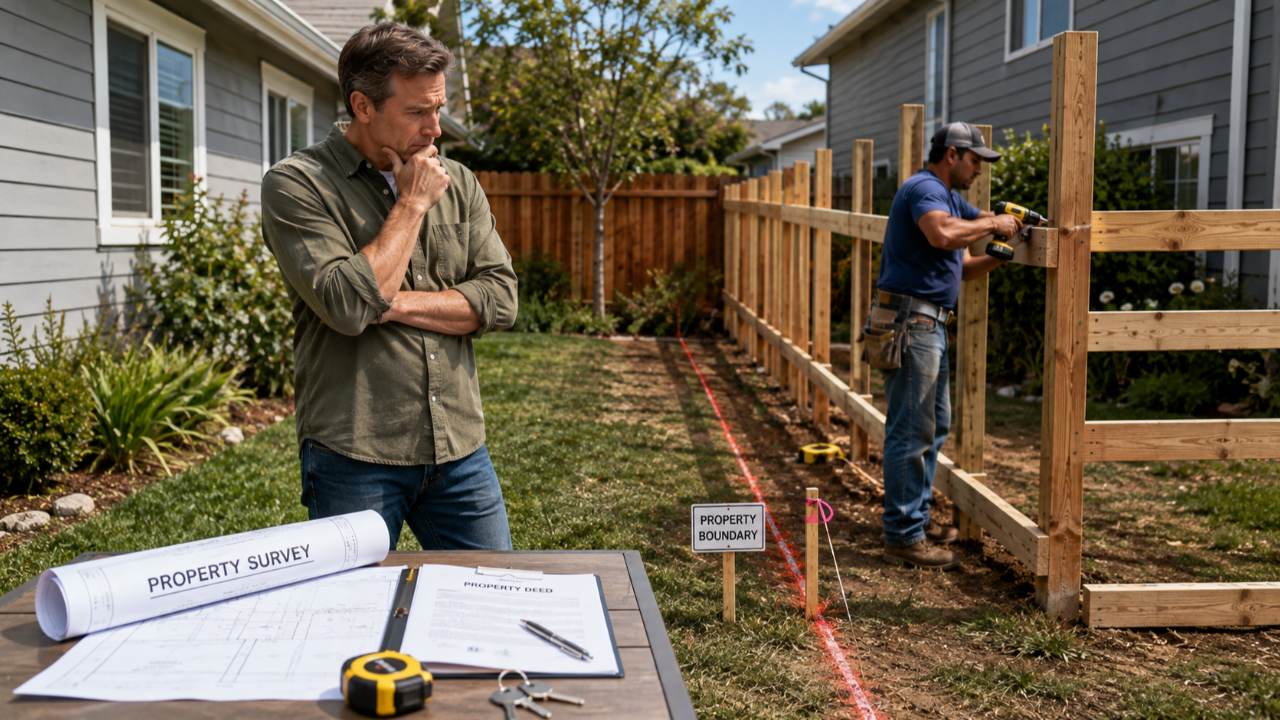
Discovering that a neighbor has built a fence, driveway, shed, wall, or another structure on your property can be frustrating and stressful. However, it is important not to react before confirming where the actual property boundary lies. In California, property-line disputes can involve surveys, title records, easements, and potentially significant legal issues.
Confirm the Property Line
Your first step should be determining whether the construction actually crosses onto your property. Do not rely solely on an existing fence, landscaping, or assumptions about where the boundary is located. Review your deed, legal description, title documents, and any previous surveys you have.
For greater certainty, consider hiring a licensed land surveyor. A professional survey can establish the location of the boundary using recorded property information and physical measurements. This is often an important piece of evidence if the dispute continues.
Document the Construction
Take dated photographs and videos showing the structure, its location, and the progress of the work. Keep copies of your property records and any communications with your neighbor. If permits are involved, check with your city or county building department to determine whether the construction was approved.
Good documentation can help establish what was built, when it was built, and how much of the structure may be crossing the property line.
Talk to Your Neighbor
If the survey confirms an encroachment, consider approaching your neighbor calmly. In some cases, the construction may have resulted from an honest mistake or inaccurate understanding of the boundary.
Explain what the survey shows and ask whether they are willing to discuss a solution. Depending on the circumstances, possible solutions could include moving the structure, negotiating an agreement, or establishing another legally documented arrangement.
Keeping the conversation respectful can sometimes resolve the problem without the expense and stress of litigation.
Consider Legal Options
If your neighbor refuses to address the encroachment, you may need legal advice. Depending on the circumstances, possible remedies can include a demand to stop construction, an injunction, a quiet title action, damages, or an order concerning removal of the encroaching structure. California law recognizes several legal remedies for encroachments, although the appropriate remedy depends on the facts of the case.
Timing can also matter. California courts have considered different rules for permanent and continuing encroachments, so delaying action may affect available claims or remedies.
Avoid Taking Matters Into Your Own Hands
Even if you are confident that your neighbor has crossed the property line, do not immediately tear down a fence or damage a structure. What appears to be an obvious boundary violation can involve complicated ownership, easement, or historical-use issues. Getting professional advice before taking physical action can help prevent the dispute from becoming more complicated.
Final Thoughts
If your neighbor builds on your property, start by confirming the facts rather than escalating the conflict. Review your property documents, obtain a professional survey, document the construction, and communicate in writing. If the issue cannot be resolved amicably, a real estate attorney can explain your options and help protect your property rights.
The sooner you address a potential encroachment, the more opportunities you may have to resolve it before it becomes a larger and more expensive dispute.
Discover more articles below:
- Building a Backyard Guest House: Legal Considerations
- Fire Safety Regulations in San Diego: What Property Owners Must Know
- How to Protect Yourself from a Home Inspection Scam
For legal help in California and your other needs, contact BERYS LAW on this page. We also offer courses on real estate investing, landlording, and templates right here!
Stay connected with news and updates!
Join our mailing list to receive the latest news and updates from our team.
Don't worry, your information will not be shared.